

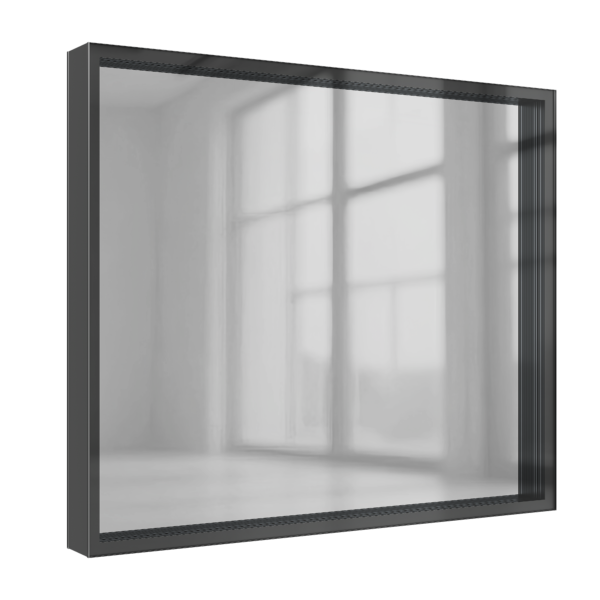
Comparing finishes, frames, and function
The black casement window has moved from a stylistic flourish to a practical choice for modern architecture, and choosing the right supplier matters — start with a reliable casement window manufacturer to avoid retrofit headaches. In this comparative look I’ll weigh frame materials, hardware quality, and glazing strategy so you can match aesthetics to performance without guesswork. Expect terms like u-factor and sash to appear — they’re short, useful measurements rather than marketing noise.

Frame materials and how they behave
Aluminum delivers slim sightlines and durability; timber brings warmth but needs upkeep; engineered profiles with a thermal break balance strength and insulation. For black finishes, powder-coated aluminum is common because it resists chalking and offers consistent color across large façades. Consider weatherstripping details where the sash meets the frame — poor gaskets or ill-fitting seals are often the weak link in otherwise excellent windows.
Glazing, sealing, and measured performance
Glazing choice drives energy outcome. Remember that windows account for about 25–30% of residential heating and cooling energy use, according to the U.S. Department of Energy — that’s our real-world anchor for prioritizing low u-factor glazing and proper insulating spacers. Double or triple glazing with low-E coatings and inert gas fills reduces heat transfer; a well-installed screen casement window can also preserve ventilation control while keeping insects out. Aim for certified installers and clear performance labels on thermal transmittance.
Hardware and detailing: the overlooked variables
Hardware choices define daily experience: stainless steel hinges resist corrosion, multipoint locking provides security and compression sealing, and a quality casement operator keeps the sash square over time. Small details — hinge placement, torque on fasteners, and the return path of the hinge arm — determine whether a window will stick or glide. A professional architectural hardware specification can mean the difference between a showroom sample and a product that performs across seasons.
Common mistakes and practical fixes
Buyers often pick on color alone and underestimate installation tolerance or flashing. Poor flashing leads to water intrusion; incorrect shim placement causes sash binding; and ignoring thermal break continuity invites condensation. — When replacing old frames, check surrounding substrate and plan for new head and sill flashing. Also, test the locking mechanism during installation rather than after the trim goes on; it saves time and cost.

Side-by-side summary and what to prioritize
When comparing black casement windows across brands, weigh these factors proportionally: frame thermal performance, glazing spec, hardware quality, and installer competence. Use a simple checklist during selection: labeled u-factor and solar heat gain coefficient, warranty on finish and hardware, and a clear installation scope. For projects with insect control and airflow needs, the screen casement window option is often the pragmatic compromise between ventilation and protection.
Three golden rules for selection
1) Prioritize measured thermal performance: pick glazing and frame combinations with documented u-factor and SHGC values rather than claims. 2) Demand robust hardware specs: stainless or treated metals, certified multipoint locks, and replaceable gaskets. 3) Verify installation scope: sealed flashing, correct shimming, and post-install performance checks. These metrics will predict on-site outcomes more reliably than style alone.
Choose a partner that treats those details as standard, not optional — that’s where the value of a knowledgeable manufacturer becomes tangible. Zekin. –