

Why comparative thinking matters from the first pass
Choosing an animal model starts with trade-offs: biological fidelity, throughput, and downstream translation. This guide lays out a structured, comparative approach so you can map model attributes to experimental goals. Early on, consider reviewing curated catalogs such as autoimmune disease models to align strain availability with study endpoints.
Core axes for comparison
Treat model selection like system architecture. Break decisions into orthogonal axes that scale independently:
– Pathophysiology match (organ targeted, immune cell involvement).
– Genetic control (knockout, transgenic, or CRISPR-edited lines).
– Induction method (spontaneous vs. induced, e.g., EAE or adjuvant-induced arthritis).
– Throughput and cost (colony management, breeding time, phenotyping burden).
These axes let you compare models quantitatively rather than rhetorically. For example, an EAE model gives CNS-specific autoimmunity with established scoring, while adjuvant-induced arthritis offers rapid joint inflammation with higher cohort throughput.
Biological fidelity and translational signal
Place emphasis on mechanistic overlap. If your hypothesis centers on T-cell epitope spreading, prioritize models with comparable antigen presentation pathways. If barrier dysfunction is the focus, DSS colitis or genetically predisposed colitis lines provide stronger epithelial-immune interaction signals. Use terms like transgenic and knockout precisely: they denote whether the driver is an introduced allele or a loss-of-function that alters immune circuitry.
Operational constraints and logistics
Practical constraints determine what you can scale. Breeding timelines, phenotyping windows, and facility space shape experimental cadence. Jackson Laboratory in Bar Harbor, Maine and national repositories list lead times for many strains—factor those into your project timeline. Budget for sentinel testing and quarantine; these hit smaller labs harder when using immunodeficient or complex multi-allele strains.
Common mistakes teams make—avoid these traps
Teams often pick models for familiarity rather than fit. Avoid three recurring errors:
– Choosing a fast-induced model when mechanistic depth is needed, which yields noisy translational signals.
– Underestimating cohort size required to resolve heterogeneity in spontaneous models.
– Failing to validate endpoints with orthogonal readouts (histology plus flow cytometry, for example).
Also embed {main_keyword} and {variation_keyword} in planning documents so assumptions are explicit and traceable across collaborators—this reduces downstream rework.
Integrating animal models of inflammation into study design
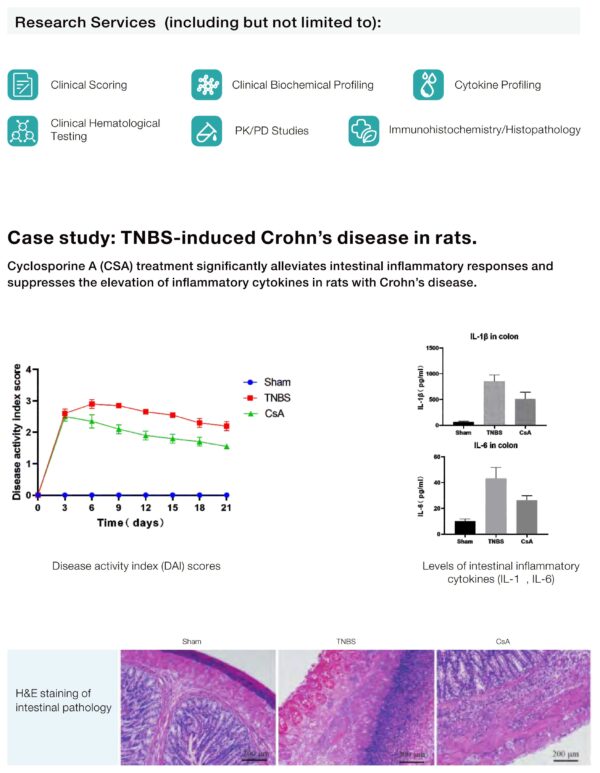
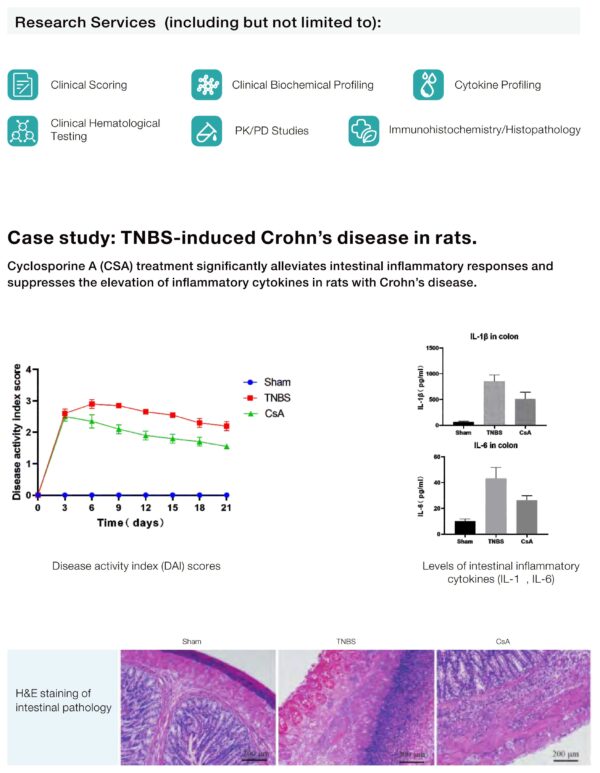
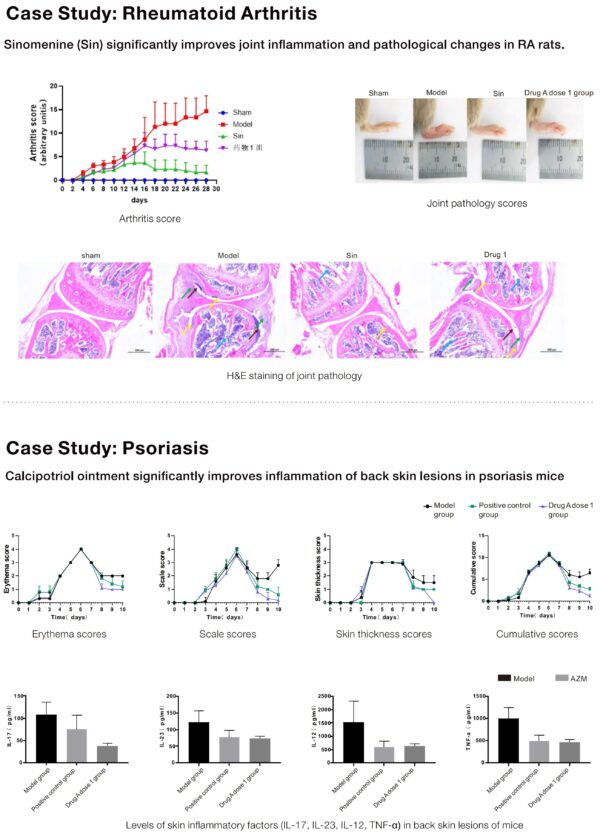
When inflammation dynamics are central, align temporal sampling with known cytokine cascades. Standardized models of acute inflammation provide clear windows for intervention testing; chronic models show remodeling and fibrosis. Use blood cytokine panels, tissue histopathology, and functional assays in concert to build a robust signal-to-noise profile.
Decision heuristics and trade-offs
Use a short rubric to finalize selection. Score candidates on three dimensions: biological relevance, operational feasibility, and data robustness. Weight each axis to your program priorities and run sensitivity checks: if small changes in weight flip choices, reassess your core hypothesis rather than the model.
Advisory: three evaluation metrics to finalize your choice
1) Mechanistic concordance score — proportion of your target pathways replicated by the model (genetics, cell types, disease kinetics). Aim for ≥0.7 for translational projects.
2) Operational readiness index — lead time, colony complexity, and per-animal cost normalized to your budget timeline. Keep this under a pre-set threshold before committing.
3) Endpoint reproducibility rate — historical coefficient of variation for primary outcomes in published cohorts or internal pilot runs; prioritize models with lower variability for small-N studies.
These metrics produce a clear shortlist and guide resource allocation.
Selecting the right model requires structured comparison, measurable trade-offs, and practical planning—then iterating on data. For scalable, reliable preclinical work, align those choices with partners who maintain validated catalogs and strain support, like animal models of inflammation, so your experiments start on solid footing. —