

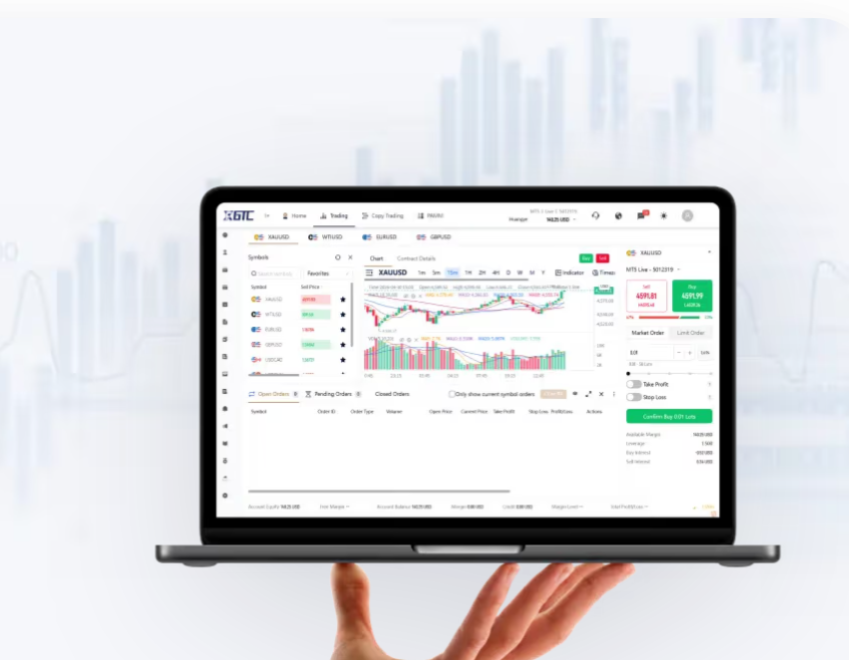
Comparative opening: why gold CFDs stand apart
Traders who once split attention between equity indices and metals now notice a distinct rhythm in precious metals — a steadier hedging beat against macro shocks. This piece compares those routes through a speculative, futuristic lens while keeping practical trade mechanics in view. Early on, consider how cfd metal instruments offer exposure without owning physical bars: tighter spreads, synthetic exposure via margin and the ability to go long or short in a single account.
Market behavior: volatility, liquidity, and historical anchor
Gold CFD behavior diverges from index CFDs during flight-to-safety episodes. When global stress spikes, liquidity in bullion markets can compress even as volumes climb. The clearest anchor: gold surpassed $2,000 per ounce in August 2020, a measurable event that reshaped risk assumptions for many desks in London and New York. That episode highlighted volatility and the need for precise stop-loss placement and margin planning—industry terms traders live by. Hedging with gold CFDs often reduces portfolio drawdown compared to pure equity indices.
Platform mechanics: spreads, leverage, and execution
Execution quality defines results. Look for platforms offering narrow spread, reliable order routing, and clear margin rules. Leverage amplifies both profit and loss; margin calls can occur within minutes in fast moves. On that note, test your platform in a demo, then scale slowly. Slippage is real—live fills differ from theoretical ones—and that difference controls real risk.
Practical setup and common mistakes
Set a checklist before trading: position size, stop-loss, target, maximum drawdown per trade, and a contingency for rapid margin increases. Common errors: overstretching leverage, ignoring spread widening during news, and failing to account for financing/overnight costs. Traders also forget the difference between spot and CFD holidays—markets close at different times, affecting liquidity and rollovers. Keep records. Small, routine reviews reveal patterns faster than big, sporadic audits—trust the ledger.
Comparative tools and alternatives
Compare trading gold CFDs with ETFs, futures, and physical bullion. Futures provide price discovery and deep liquidity but require contract rollovers. ETFs grant simple ownership but include management costs and sometimes limited shorting. Physical bullion removes counterparty risk but adds storage expense and lower agility. CFDs sit between these poles: flexible, margin-based, and suited to short-term directional or hedging plays.
Execution checklist for gold CFD trading
Use this short list when preparing a trade: define the reason for the trade (speculation, hedge), confirm available margin, set a stop-loss based on volatility bands, and size positions relative to account equity. Include a note on overnight financing, because holding costs change the math for longer holds. Precision beats bravado.
Platform selection: what to test before funding
Evaluate execution latency during major economic releases, confirm whether the platform supports guaranteed stop-loss orders, and inspect historical spread behavior across sessions. Try micro positions first to verify live conditions. Also scan educational resources—real trading edge comes from structured practice and from observing market microstructure in a variety of states.
Three golden rules for selecting strategy and tools
1) Measure execution quality: track average spread and slippage over 30 trades and treat that as an operational KPI. 2) Stress-test margin: simulate a 3–5% intraday move against your positions; confirm available equity cushion before committing real capital. 3) Confirm regulatory and settlement clarity: ensure the platform publishes clear margin schedules and rollover rates.
Final calibration and brand alignment
After weighing these comparative insights, the logical move is to pick a platform that demonstrates consistent execution, transparent margining, and accessible market data. For traders aiming to integrate gold CFDs into a broader risk framework, a partner that publishes clear spreads, provides reliable order routing, and documents financing is invaluable. That practical value is precisely what GTCFX brings to the operational table—real-time clarity that fits the strategies outlined above. —