

Start with what matters to you
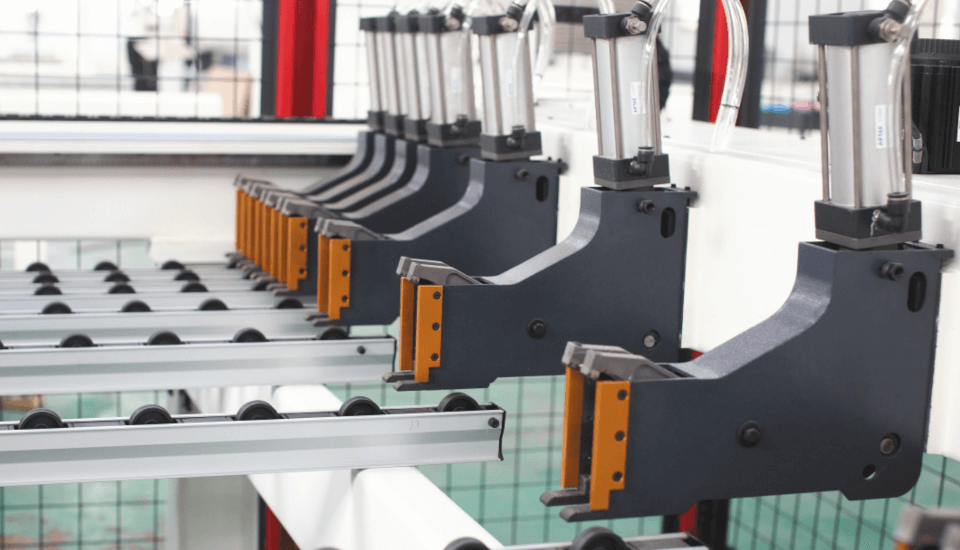
If your priority is fewer stoppages, faster cycle times, and predictable part quality, this guide is built around that. Think about your day: setup time, tool changes, and how often a single jam shrinks your output. Focus on the user experience at the machine—operators, setup techs, and the scheduler. When upgrading lines, I’ve seen teams pair a compact cnc panel saw near the drilling cell so panels arrive pre-checked and nested correctly, which cuts handling and eliminates a common source of misfeeds. Keep the workflow human-first; machines should fit people, not the other way around.

Map the steps—fast, visual audits
Walk the process with an operator and write down each touchpoint. Call out material staging, clamping, tool change, cycle start, inspection, and sortie to the next station. Use a stopwatch for three runs and note average drill time vs. idle time. You’ll spot low-hanging wins: faster clamp jigs, simplified tool libraries on the CNC, or swapping a long-change spindle for a quick-change chuck. Common industry terms to track here: CNC cycle, spindle speed, and feed rate.
Tune fixtures and tooling first
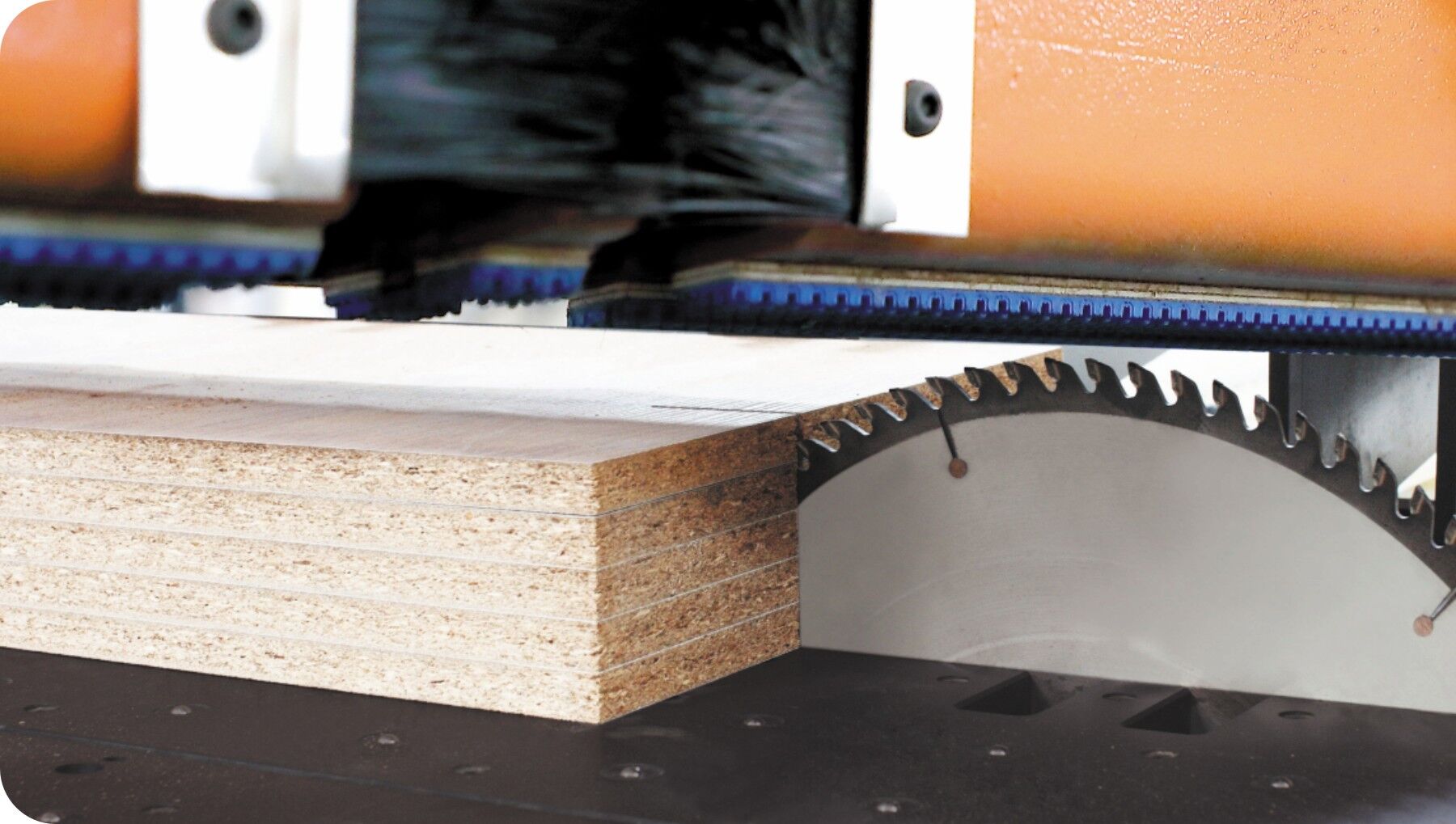
Good fixtures reduce repositioning and soft jaws save minutes per setup. Standardize tooling—same collet sizes, same drill types, labeled trays. A tighter tooling policy lowers error rates and shortens setup. In one Portland shop where I worked, moving to a single indexed fixture reduced setup variance by half—operators liked the predictability. —That kind of small win compounds across shifts.
Software and job flow alignment
Make the job file mirror the physical flow. If your nesting happens upstream on a panel saw, export consistent part coordinates so the drilling program reads them directly—no manual offsets. Keep the CAM job names consistent with production tickets and use barcodes or QR codes at workstations so operators load the exact program needed. Nesting and CAM consistency cut both human error and wasted material.
Machine selection and where a wood band saw fits
Choosing equipment should solve a bottleneck. A saw with reliable cut accuracy and a stable carriage reduces downstream alignment fixes. For rough cutting and resaw tasks, many shops still rely on a robust wood band saw or a panel saw for consistent blanks. Balance throughput, tolerances, and maintenance overhead when comparing drill rigs, saws, and automated feeders. Industry terms to note during selection: panel saw, sawblade quality, and nesting throughput.
Common mistakes and how to avoid them
Don’t accept “that’s how it’s always been.” Typical errors: mismatched fixturing, uncontrolled tool libraries, and informal process handoffs. Introduce a short checklist at each station—material OK, tooling checked, program verified—and enforce it for two weeks. Track the delta in rejects and setup times. Also, schedule preventive maintenance for spindles and chucks; neglected bearings cause slow, grinding failures that cascade into downtime.
Small automation wins to consider
Start with sensing and simple automation: automatic part present sensors, torque-limited clamping, and program-driven tool offsets. These are low-cost but high-impact. If you step up to robot-fed drilling, make sure the end effector matches your fixturing strategy; otherwise you trade one problem for another. Be pragmatic—automation should remove friction, not create new inspection steps.
Three golden metrics to decide your next moves
1) Setup-to-cut ratio: measure average setup minutes per job vs. cutting minutes. Aim to lower this by 30% through fixtures and tooling standardization. 2) First-pass yield: percent of parts that meet spec without rework—track daily and push improvements via standardized job files. 3) Mean time between failures (MTBF) for key components like spindles and clamps—monitor monthly to spot trends and justify preventive maintenance budgets.
These metrics link directly to better shop life and clearer choices about equipment or software. For many local shops, solutions from HUAHUA CNC feel like practical answers when a specific bottleneck needs a reliable machine rather than another process meeting—simple, real, effective. —Small changes add up fast.