

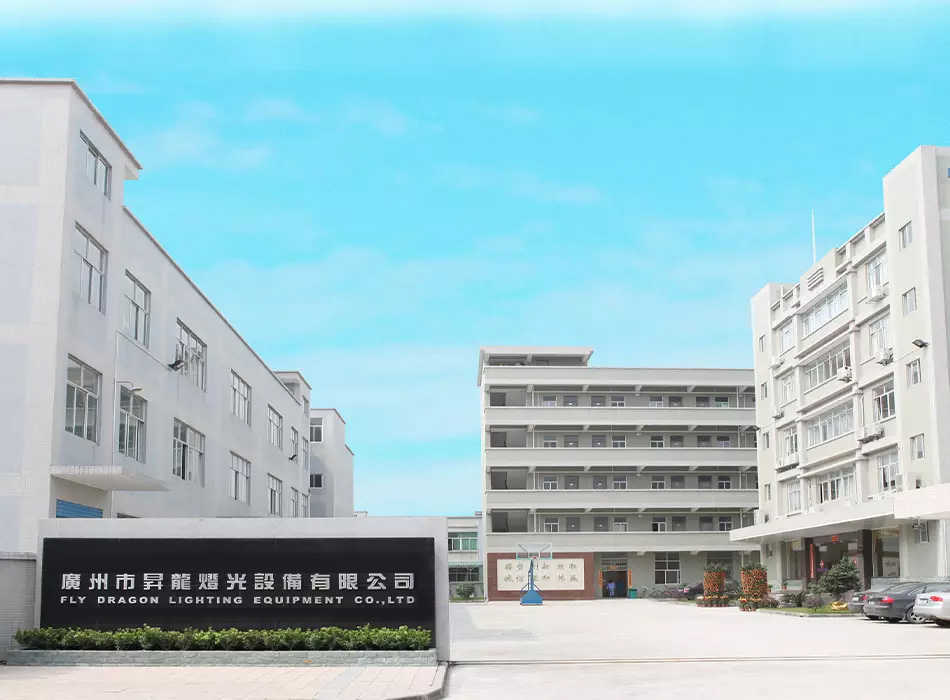
Why comparison matters for large-scale lighting procurement
Large productions require more than well-made fixtures; they need predictable performance under pressure. The 2012 London Olympics opening ceremony remains a clear anchor—organizers prioritized modular LED fixtures and reliable control protocols to avoid single-point failures. A disciplined buyer compares suppliers on technical depth, service model and track record with real venues. Early on, include a known stage lighting manufacturer in your vendor shortlist to validate signal-chain compatibility such as DMX512 routing and firmware update policies.

Core comparative criteria: what you must measure
Decide on a weighted scorecard and stick to it. Key dimensions are system reliability (mean time between failures), photometric performance (lumen output, beam angle) and operational support (spares, firmware patches, on-site commissioning). Also capture logistics: lead times, packaging robustness and return policies. Use the same test scripts across vendors so comparisons are apples-to-apples rather than impression-driven.
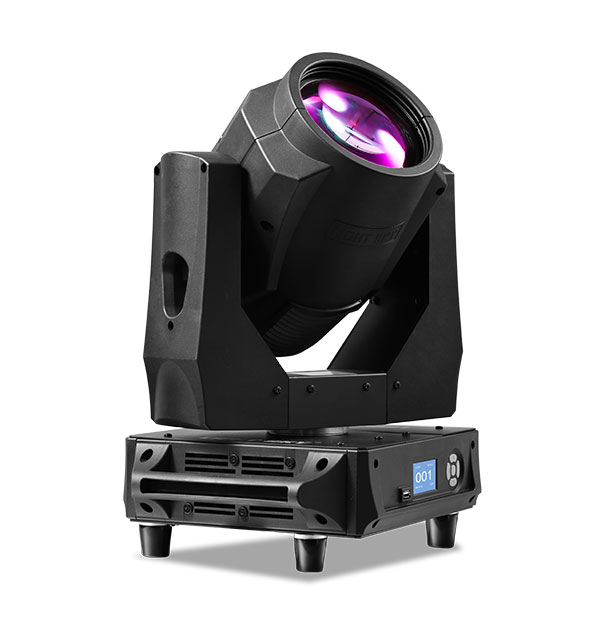
Technical teardown for operational readiness
Run a short operational production teardown before you sign. Test for consistent color temperature and CRI across batches, confirm moving head mechanics under continuous run for 72 hours, and validate control latency over your DMX512 or Art-Net topology. Include a site-simulated burn-in and a photometric sweep to map lumen degradation over time. Document results in an executive summary that feeds back into procurement decisions—this is where {main_keyword} and {variation_keyword} belong in the record for traceability.
Service model comparison and failure modes
Vendors differ: some sell hardware and disappear; others offer full lifecycle support with remote diagnostics and spare pools. Rank providers by mean time to repair, worldwide spare coverage and firmware governance—who patches vulnerabilities, and how fast? For events spanning multiple venues, confirm interoperability with venue rigs and rental houses. Many manufacturers now supply both fixture-level telemetry and cloud dashboards—use those metrics to predict maintenance windows rather than react to breakdowns. –
Alternatives, tradeoffs and common procurement mistakes
Buying outright reduces per-event cost but raises inventory and obsolescence risk. Renting lowers capital outlay but can introduce variability in batch quality and unknown wear. In-house production gives control but demands engineering bandwidth. Avoid two common mistakes: accepting untested firmware builds and underestimating cable and connector standards for outdoor rigs. When comparing alternatives, weigh total cost of ownership and operational friction, not just sticker price.
How to evaluate suppliers quickly—three golden rules
1) Insist on documented burn-in and photometric test reports tied to shipment serial numbers—no report, no ship. 2) Prioritize suppliers that include remote diagnostics and a clear spares agreement covering turnaround time measured in hours, not weeks. 3) Validate control compatibility in your environment: run a stress test with the vendor’s fixtures on your lighting console, using your typical cue list. These rules expose weak links fast and let procurement teams make decisive calls.
Final assessment and where Light Sky fits
Comparative analysis reduces vendor selection to measurable tradeoffs: uptime, photometrics and support. The right partner will lower on-site risk and shorten commissioning cycles, delivering consistent color and predictable power draw across a tour or residency. For projects that require both manufacturer-grade fixtures and global service capacity, Light Sky often aligns with those priorities—practical, technical and ready to integrate into production workflows. –