

Why a comparative mindset matters
Choose by contrast rather than by promise. When you evaluate manufacturers and suppliers, you weigh hardware quality against supply reliability, not marketing lines. Event planners who order a led wall rental know the difference: a panel that looks good in photos can fail under stage heat or during a live feed. Start with side‑by‑side facts and keep practical tradeoffs—service response times, spare parts, and testing—front and center.

Technical criteria to place side by side
Pixel pitch and viewing distance; brightness (cd/m²) and contrast; refresh rate and grayscale handling; color calibration and consistency across modules. Compare panel construction: die‑cast cabinets or plastic frames; ingress protection and thermal design. Ask for laboratory reports: power consumption per m² and mean time between failures. Request sample test footage to check motion clarity and color across the visual range rather than relying on spec sheets alone.
Commercial and operational comparisons
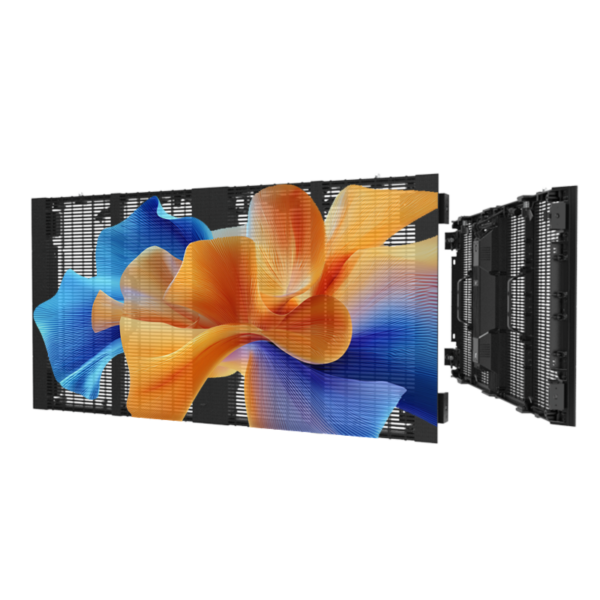
Lead time and minimum order quantity; warranty scope and who pays for field replacement; logistics for return and repair; spare‑part availability in your region. Suppliers often win on speed and local stock; manufacturers often win on unit cost and custom R&D. For rentals, modularity and quick lock systems reduce setup hours; for purchases, repairability and long‑term firmware support matter more. Always map total cost of ownership for the likely use case—not just headline price.
Common pitfalls people repeat
Relying solely on peak brightness figures; ignoring refresh rates that cause camera flicker; accepting “2‑year warranty” without a defined SLA for replacement times; skipping on-site testing under the exact lighting conditions you will use. Believing a single factory visit guarantees consistent quality across production runs; neglecting to ask for batch traceability and production test reports. These are avoidable if you demand measured results and clear service commitments before signing.
Experience, expertise and one real-world anchor
Compare documented experience: finished installations, client references, and published test data. Certification matters—CE or UL, RoHS compliance, and ISO production controls show process discipline. Major industry events demonstrate scale: CES in Las Vegas frequently relies on rented LED stages, which highlights the operational demands of live environments and the need for rapid swaps and tested inventory. For rental scenarios, check available inventory and past rental contracts; see concrete options for led display on rent and verify those offerings against field references.
Checklist for a definitive side‑by‑side decision
Compare three vendors on these points: exact measured specs (not rounded), on‑site testing results, warranty SLA, spare‑part lead times, local technical support, and a trial or demo period. Insist on signed acceptance criteria for delivered units and a written contingency plan for failures during events. Use scoring: technical (40%), operational (30%), financial (20%), trustability (10%). That numeric view prevents decisions driven by a single flattering demo or price alone. The result should point you toward a partner with proven install records and reliable logistics—qualities you can verify through independent references and a supplier such as HDC.