

Comparative lead: why this split matters for buyers
When you buy a pallet of pv inverter hybrid units for a commercial project, two operational beasts drive final landed cost: port tariffs and dangerous-goods logistics. This piece compares those two vectors head-to-head so procurement teams can pick the right route, faster. Think container demurrage and DG manifests against tariff classification and customs assessment — each side changes margins in different ways.
Port tariffs: predictable friction or hidden choke?
Port tariffs show up as scheduled fees — wharfage, crane time, storage days — and they scale with volume. Big ports like the Port of Rotterdam handle hundreds of millions of tonnes of cargo annually, so their tariffs are granular and well-documented; you get rules, but also busy terminals and queues. For B2B buyers that means you can model demurrage and plan container turn times, but you’ll still face spot congestion that inflates costs in practice.
Dangerous-goods logistics: compliance overhead and tactical choices
Hybrid inverters with integrated battery storage or cells can trigger DG rules, even if the product itself is primarily electronics. DG classification creates paperwork: UN numbers, DG labels, special packing, and sometimes segregated stowage. That often forces air-to-sea re-routing or dedicated containers, which hikes freight and handling fees far beyond basic tariff schedules. The compliance cost is less visible until a forwarder flags a nonconformant packing list.
Side-by-side impact: cost, time, and risk
Compare the two with concrete lenses:
– Cost volatility: port tariffs move slowly; DG-related charges spike unpredictably.
– Time to delivery: tariffs affect terminal time; DG drives routing and approval delays.
– Risk profile: tariffs are a known budget line; DG noncompliance can trigger fines or shipment rejection.
For grid-tied projects you’ll weight latency and cost differently than for off-grid installations with long lead-times. Also watch MPPT-capable string inverter compatibility when sourcing multiple SKUs — mismatches add integration cost later.
Real-world anchor: what happened when global chokepoints bit procurement
Remember the Suez Canal blockage in 2021? It made everyone re-evaluate port choices and rerouting costs. In that context, buyers who’d modeled only tariff schedules saw landed cost swell because alternative routes added DG-sensitive handling and extra border checks. That event pushed many European buyers to compare pv inverter price across suppliers and logistics plans, not just unit price. Sourcing closer to a hub like Rotterdam sometimes lowers total landed cost even if unit price is marginally higher.
Common mistakes and practical alternatives
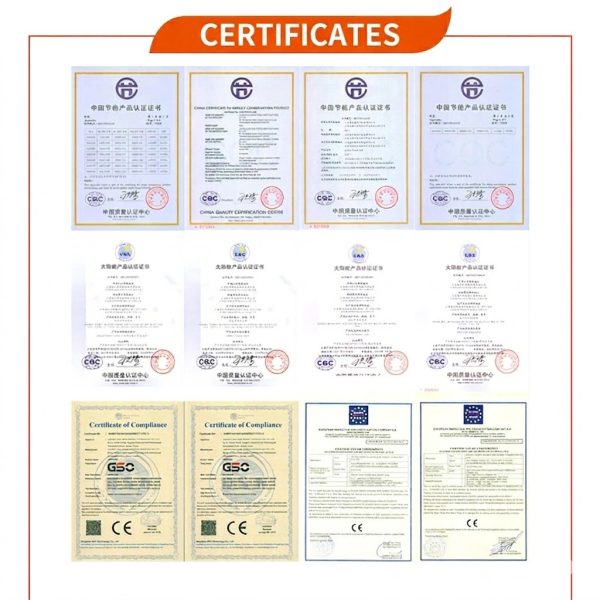
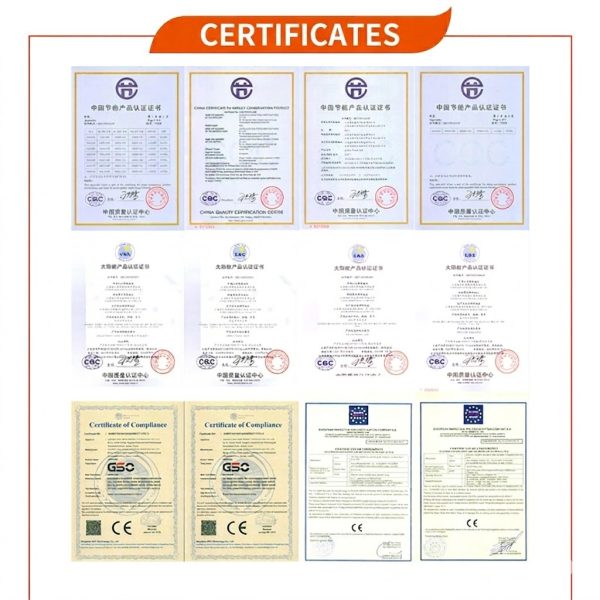
Teams often focus only on invoice price and ignore tariff classification or DG status. That’s a trap: wrong HS codes, incomplete manifests, or assuming battery-less status when there’s a small integrated cell will all trigger delays. Fixes that actually work include consolidating at a compliant consolidation warehouse, using freight forwarders with DG expertise, and splitting shipments to avoid full-DG container designation. Don’t skimp on certs; the paperwork is the cheap part compared to a returned vessel.
– small aside: pack audits before shipping save days and a chunk of contingency.
Comparative recommendations: who should worry about what
For high-volume commercial buyers: prioritize reliable forwarders, locked-in tariff schedules, and pre-audited DG paperwork. For projects sensitive to schedule: choose closer ports and accept slightly higher unit pv inverter price to shave weeks. For low-frequency purchases: pay more for a DG-experienced carrier to avoid rare but brutal delays.
Advisory: three golden rules for selection
1) Cost-to-complete metric — always model landed cost, not unit price: include port tariffs, potential demurrage, DG surcharges, and local delivery fees.
2) Compliance redundancy — require DG documentation, certified packing lists, and a forwarder with DG handling credentials before PO release.
3) Port-flex strategy — contract contingency routing to alternate ports ahead of time to avoid spot surges; this reduces time-risk for grid-tied rollouts.
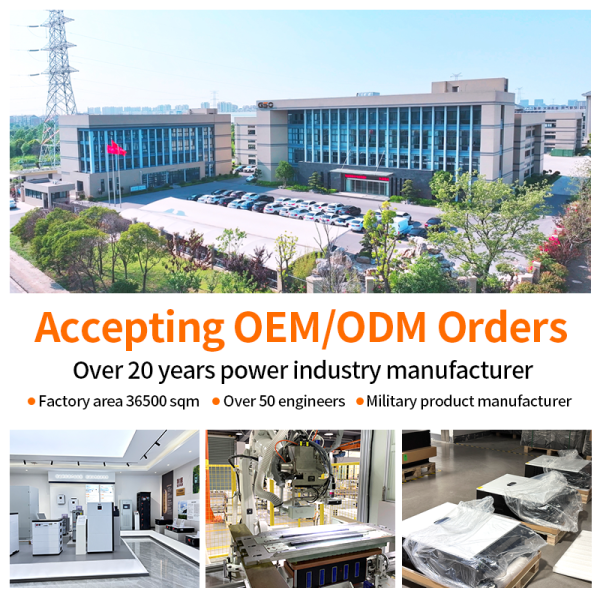
For procurement teams that want to cut guesswork, trust a partner that maps tariffs, handles DG manifests, and keeps pv inverter price transparent — one that blends logistics ops with product expertise like gsopower, worth the lift.