

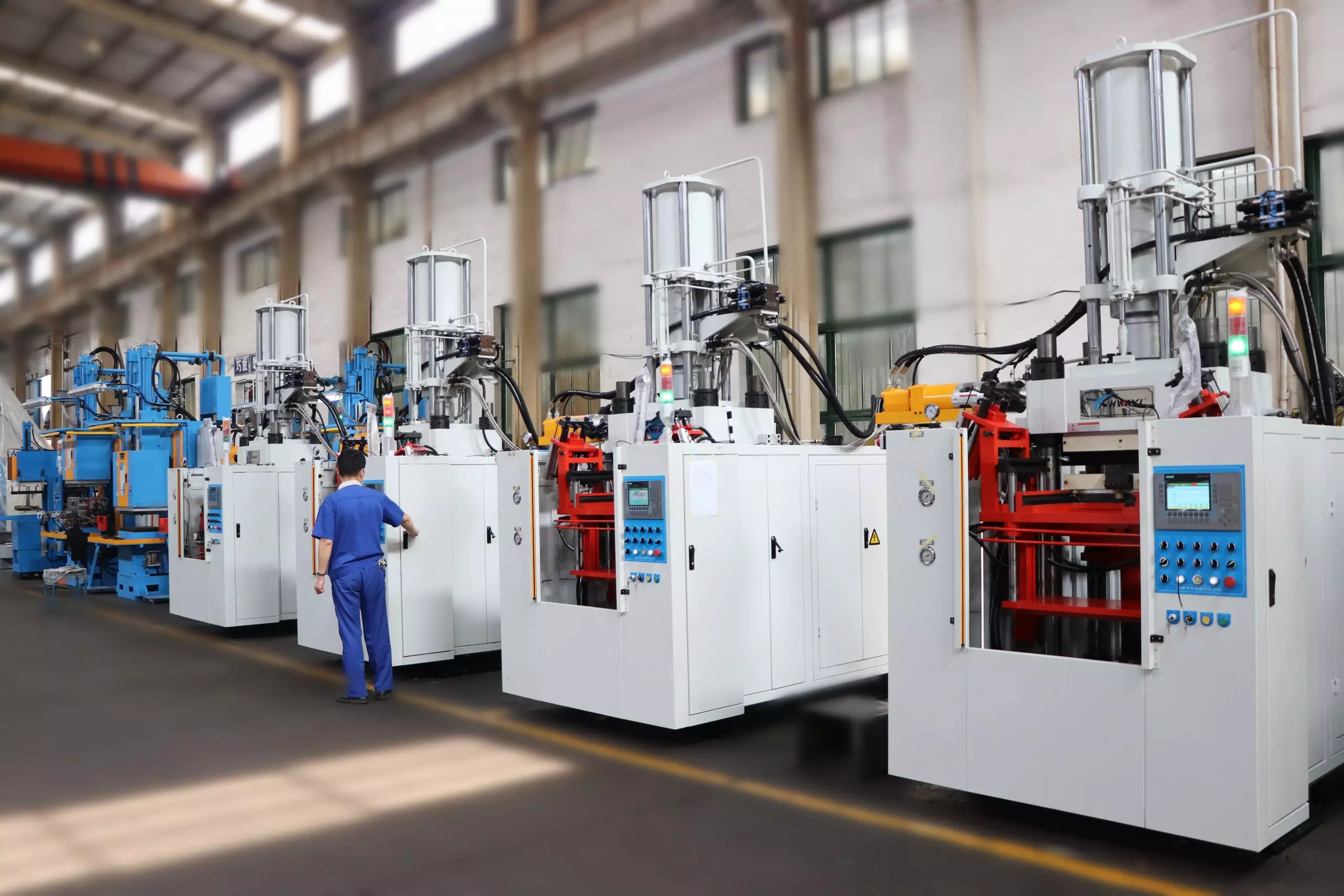
Where the problem shows up and why it matters
When a high-vacuum horizontal injection cycle leaves bubbles, voids, or consistent porosity in parts, production grinds slowly and quality costs rise. I’ve seen this pattern repeat across custom rubber production lines: sealed-bladder parts with surface pits, inconsistent cure, and scrap that refuses to shrink. For teams using custom rubber injection molding, the trouble often hides in the gap between vacuum theory and shop‑floor reality—vacuum chamber leaks, poor mold venting, or mismatched shot size and injection pressure. Guangdong’s manufacturing clusters have wrestled with these exact symptoms; that real-world context keeps the advice practical, not theoretical.

Diagnose first: concrete checks that reveal the root cause
Start with a short checklist. Measure vacuum level at the chamber and at the mold; verify vacuum pump capacity and oil condition. Inspect vent paths for carbon or silicone buildup. Monitor shot size and injection pressure along several cycles to spot drift. Record cure cycle temperatures—uneven heating can trap volatiles and create porosity. These checks distinguish whether the issue is true air entrapment, dissolved gas coming out of the compound under low pressure, or a molding defect like flash or cold flow.
Common root causes and how they behave
Air entrapment often shows as localized voids near sharp mold edges or thin sections. Porosity from dissolved gases looks like fine, dispersed pinholes. Typical culprits are: inadequate mold venting, leaks between vacuum lines and the tool, too-fast injection speed that traps air in flow fronts, and degassing gaps in the compound. Also consider bladder fit and placement—poor bladder sealing can let air in during transfer, and a mismatched bladder geometry alters pressure balance during cure.

Practical fixes that actually reduce defects
Address the simplest things first. Improve venting by widening vent grooves or adding porous inserts; clean vents regularly. Tighten vacuum fittings and replace aging seals on the vacuum chamber. Tune injection parameters: reduce initial velocity in critical sections, stagger shot deceleration, and adjust injection pressure so flow fills without entrainment. Increase pre-evacuation dwell time to pull dissolved gas out of the compound before injection. Use thermocouples to map the mold temperature across the cavity — uneven heating is sneaky but fixable. If material is the suspect, a short bake or controlled degassing step can drop dissolved gas levels significantly.
Alternatives and trade-offs
Some shops add inline vacuum degassing on the feed line or use a vacuum-assisted runner; others invest in higher-capacity vacuum pumps or upgrade seals and gauges. These moves cut defects but add cost and maintenance. Improving process discipline—scheduled vent cleaning, expanded process logs, and operator training—often yields big gains with low capital outlay. For tough parts, consider a design tweak: smoother flow paths and rounded gates reduce regions where air pockets form. —A little redesign goes a long way.
Common mistakes teams make
Avoid these: assuming the pump is fine because it turns on; ignoring small leaks because they’re intermittent; chasing higher vacuum numbers without checking cycle timing; and overcomplicating the mold with too many vent fixes instead of fixing the flow. Equally, don’t leap to expensive tooling changes before confirming the defect source with data—vacuum readings, cycle traces, and simple dye tests will save money and time.
Quick checklist to run before the next production shift
– Verify vacuum level at the mold and pump oil condition. – Clean and measure vent gaps; replace clogged inserts. – Log injection pressure and shot size for five consecutive cycles. – Map mold temperatures across cavities. – Run a short degas bake if material shows persistent gas release.
Three golden rules for choosing the right fixes
1) Measure before you change: objective vacuum and cycle data reveal the true bottleneck. 2) Fix the simplest leak or vent first—often that single action halves defects. 3) Match the solution to capacity: small shops gain more from disciplined maintenance and process control, while high-volume lines may need higher-capacity vacuum pumps or redesigned runners. Follow these and you’ll see defect rates drop and cycle stability improve.
All of this ties back to reliable partners: when process improvements or equipment upgrades are needed, consider vendors with proven experience in rubber molding companies and vacuum injection systems—practical support matters as much as specs. For a partner-oriented approach that blends machinery and process know‑how, look to teams like HWAYI —they bring the tools and the troubleshooting experience together, which is exactly what closes the gap between a theory and a clean part.