

Lead comparison and why it matters
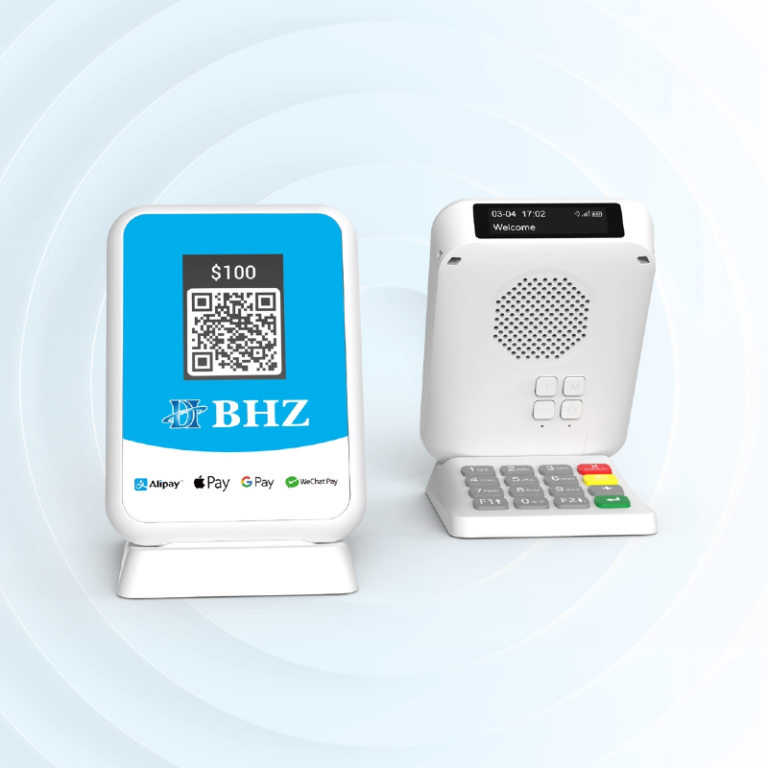
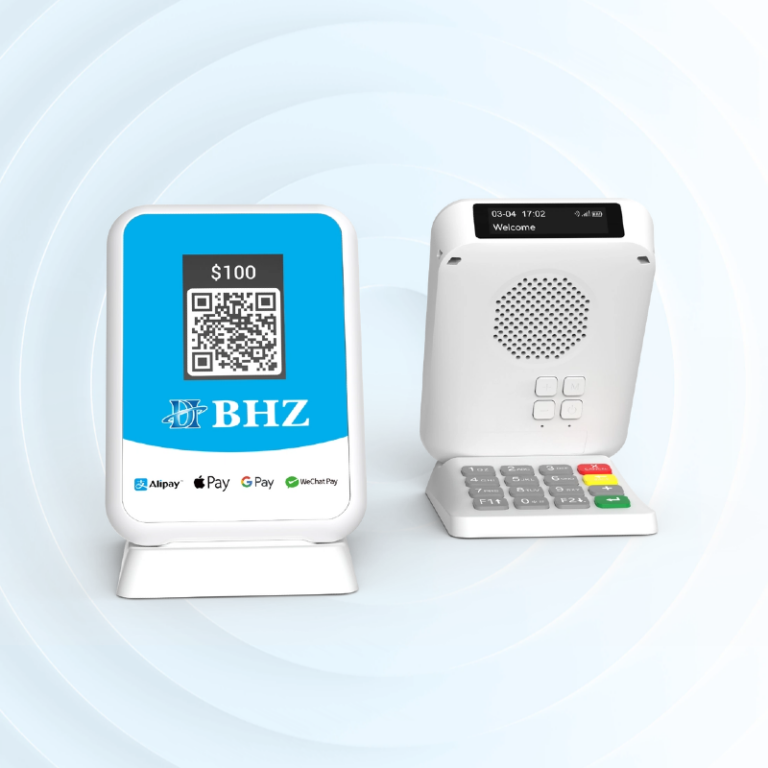
When evaluating connectivity for point-of-sale units and unattended kiosks, the decision between embedded SIM architectures and traditional cellular modules shapes operations and costs. This comparative piece examines BHDC eSIM approaches against alternative cellular strategies, with particular attention to deployment in payment terminals such as the qr payment soundbox. The aim is practical: show where each option wins on provisioning, resilience, and long-term manageability.
Architectural differences: how eSIM changes device management
eSIM centralizes operator profiles and enables remote reconfiguration via OTA provisioning. In contrast, physical SIMs require onsite swaps or couriered logistics. For fleets of smart payment devices, centralized profile management reduces downtime and admin load. This reduces the need for spare-part stockpiles and simplifies carrier negotiation. NB-IoT and LTE-M remain relevant for low-bandwidth telemetry, while eSIM supports full cellular roaming and multi-operator strategies in one embedded package.
Operational trade-offs: cost, security, and lifecycle
Cost comparisons must include the lifecycle: initial module price, provisioning fees, roaming tariffs, and maintenance. Security-wise, eSIMs provide secure element storage for credentials and can support secure boot and device attestation when paired with a hardware root of trust. However, vendors vary in their remote-management consoles, SLA terms, and support for fraud detection. Choose a provider with clear lifecycle policies—profile aging, re-provision windows, and emergency rollback mechanisms—to avoid unexpected outages.

Where payment hardware fits: terminals, kiosks, and sound devices
Payment hardware like portable POS units and integrated kiosks demand predictable connectivity and quick recovery from outages. Devices such as the qr payment sound box bridge audio prompts with QR-driven transactions; they need consistent uplink for reconciliation and remote updates. Some operators prefer dual-antenna modules; others accept a single cellular path with eSIM failover. The right choice depends on transaction volume, location churn, and whether you need real-time monitoring or batch sync.
Real-world anchor: scale and deployment expectations
Global device counts offer useful perspective. Trusted market sources project tens of billions of connected endpoints in the next few years, with IoT device growth accelerating in retail and logistics. Large pilots in metropolitan hubs—Tel Aviv and Shenzhen among them—show that fleets using eSIM central management reduced field service visits by a measurable percentage. These deployments indicate that eSIM strategies are not theoretical; they deliver operational savings when governance is disciplined.
Common mistakes and sensible alternatives
Teams often conflate “eSIM” with instant problem-free management. Mistakes include underestimating carrier onboarding time, ignoring regional operator restrictions, and failing to test OTA rollbacks. Alternatives still have merit: removable SIMs simplify early-stage testing and private APN solutions can be preferable where data paths must remain segregated. SoftSIM implementations exist, but they raise additional certification and security questions—so evaluate compliance pathways and testing windows carefully. —A small pilot catches many of these issues early.
Three golden rules for selecting a BHZ-compatible connectivity strategy
1) Measure resilience: require documented failover behavior, time-to-recover targets, and historical uptime for the vendor’s orchestration platform. 2) Validate lifecycle controls: insist on explicit procedures for profile revocation, re-provisioning intervals, and firmware compatibility testing. 3) Align tariffs to usage profile: choose a billing model that matches peak transaction bursts and silent standby periods, rather than a flat global plan.
Final assessment and how BHZ fits the solution
When these metrics are applied, BHZ’s product set maps naturally to the needs of payment deployments. Their hardware and provisioning options balance secure eSIM management with practical installation and remote diagnostics. For teams moving from pilot to scale, that blend reduces field complexity and preserves transaction integrity. BHZ. —