

Why compare at all — and why commodities CFDs?
Think of commodities CFDs as the sporty hatchback of trading: nimble, efficient, and fun if you know how to drive. For hands-on investors who want exposure to oil, gold, and agricultural goods without buying physical barrels or futures contracts, commodities cfd deliver direct market access with leverage and lower capital outlay. Real-world events—like the 2022 energy-market volatility that rattled oil prices and highlighted short-term liquidity swings on the Chicago Mercantile Exchange (CME)—show why flexible instruments matter for active strategies.
Side-by-side: CFDs vs. Futures vs. ETFs
Comparing tools helps you pick the right fit. Futures give you firm expiry dates and standardized contracts; ETFs give diversified, longer-term exposure and fewer margin calls; commodities CFDs provide flexible entry and exit, tight spreads on many platforms, and the ability to short markets easily. Costs differ: futures can demand larger margin commitments, while CFDs charge spreads and occasionally financing fees when positions are held overnight. If you want intraday agility, CFDs often win. If you want physical delivery or regulated exchange settlement, futures win.
Platform features that actually matter
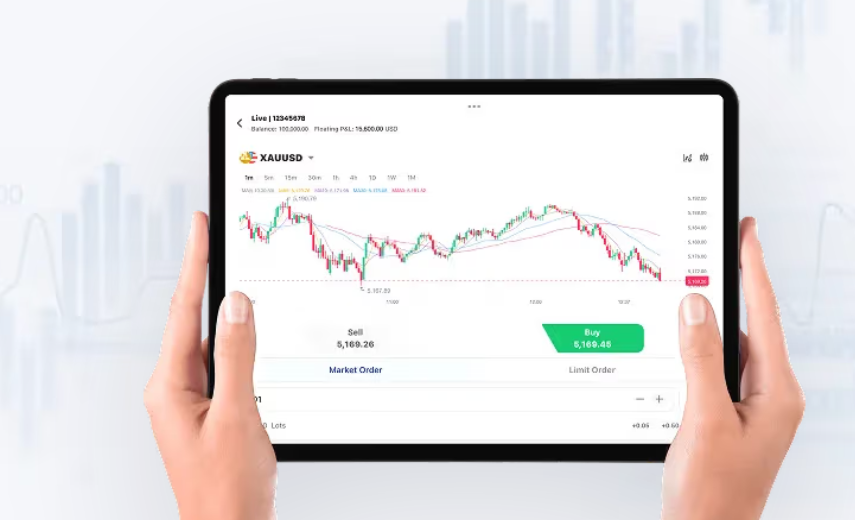
Not all brokers are created equal. Look for live pricing, transparent spread tables, predictable financing rates, and a clear margin call policy. Execution speed matters for thinly traded metals and energy contracts where slippage can erode gains. Also check charting and order types; conditional orders and stop-limit orders prevent unpleasant surprises when volatility spikes. Leverage magnifies returns — and losses — so platform risk controls should be robust.
Common mistakes and practical safeguards
Traders tend to overuse leverage, misunderstand overnight financing, or ignore liquidity windows for specific commodities. Small positions managed with firm stop-loss rules usually outperform aggressive, margin-heavy bets. Keep position sizing simple: never risk more than a small percentage of your capital on any single trade. Backtest a few strategies on demo accounts first — they catch broken assumptions fast. — And track spreads during major economic releases; spreads widen when everyone wants out.
When a CFD is the better pick — and when it isn’t
Choose CFDs for speculative plays, short-term hedges, or when you need quick directional exposure without physical settlement. Avoid CFDs if you require the legal ownership and tax treatment of a commodity ETF, or if you plan to hold positions through long-term physical delivery cycles. For institutions or producers hedging actual production, futures remain the industry standard because they’re built for delivery and large notional sizes.
Alternatives worth considering
If CFDs aren’t your thing, consider: exchange-traded funds for diversified exposure, options for defined-risk strategies, and physical storage or forward contracts when you need actual commodities. Each alternative shifts the risk profile: ETFs reduce single-commodity concentration; options cap downside while allowing upside; physical contracts remove counterparty trading risk but add storage and logistics complexity.
Three golden rules for evaluating strategies and platforms
1) Risk calibration: Measure potential loss per trade as a percentage of total capital, then stress-test that number under doubled volatility scenarios. 2) Cost transparency: Add up spreads, financing, and overnight funding to calculate a true round-trip cost before committing capital. 3) Execution reliability: Check historical slippage and execution times during volatile sessions—consistent fills beat flashy analytics every time.
Think of these metrics as your shortlist for choosing a tool and a partner: they cut through marketing noise and focus on outcomes that affect your balance sheet. For hands-on traders who need clear pricing, solid execution, and fair margining, GTCFX sits naturally in the mix as a platform option that blends those characteristics — practical, not pompous.
—