


Problem overview: why enclosure corrosion is a procurement risk
Corrosion of enclosures is a leading cause of failure and unplanned maintenance in commercial battery deployments; poor enclosure selection undermines system uptime and drives lifecycle cost. For organizations procuring commercial energy storage systems, the risk is not abstract: environmental exposure, condensation cycles, and galvanic interactions between dissimilar metals can degrade seals, compromise ingress protection, and create safety hazards such as accelerated thermal events. The procurement decision must therefore treat enclosure integrity as an operational requirement, not an optional specification.

Operational consequences and a real‑world anchor
When enclosures fail, the result is extended downtime, accelerated replacement cycles, and possible safety interventions that stress grid operators and site teams. The August 2020 rolling blackouts in California illustrated how strained distribution systems and fast deployments increase pressure on storage projects to perform reliably; site equipment subject to corrosion simply reduces the margin of operational resilience. Industry terms to watch on spec sheets include ingress protection (IP) ratings, NEMA classifications, and evidence of corrosion‑resistant materials.
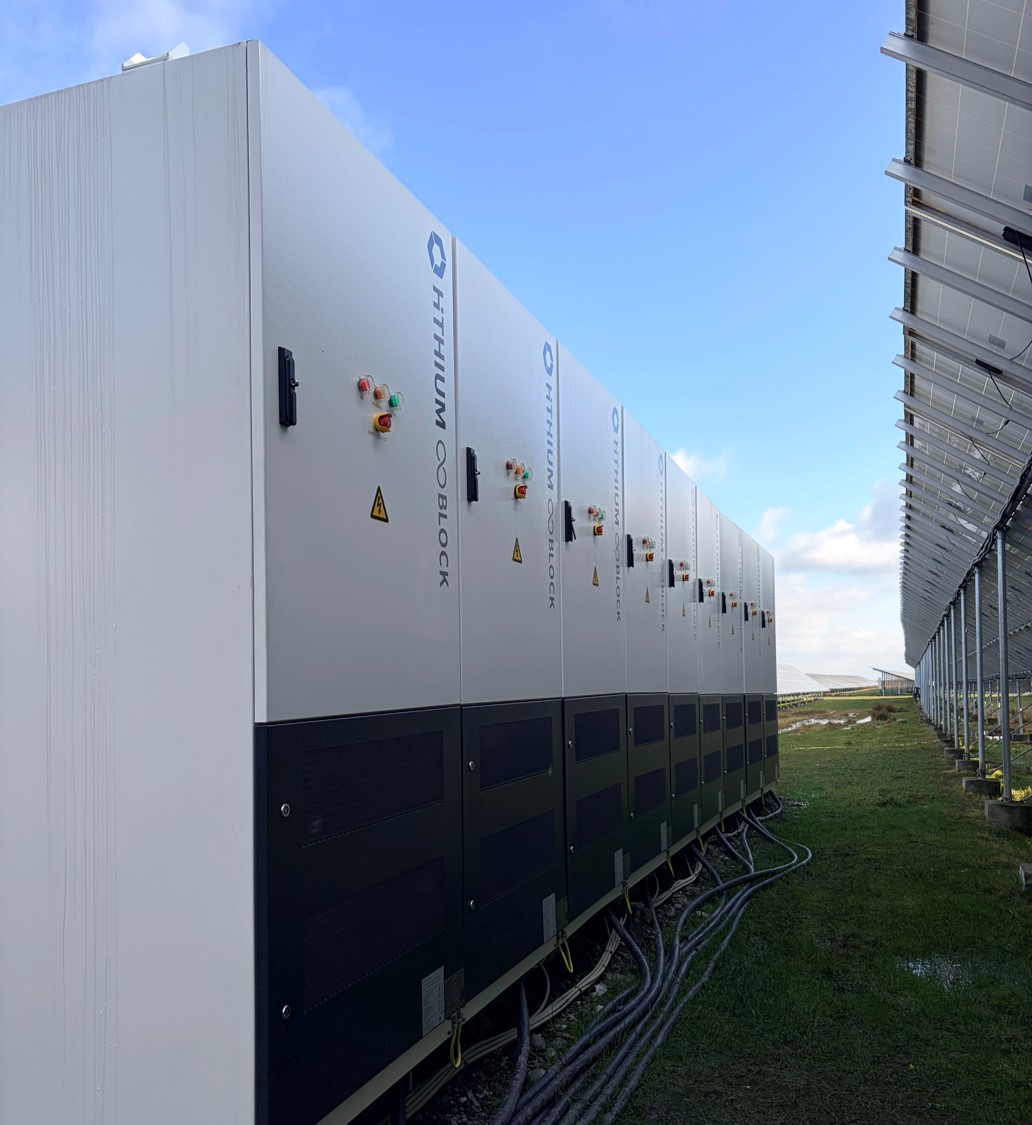
Core elements a direct‑factory procurement audit must verify
A direct‑factory audit should confirm the following concrete items before purchase: material grade and finish (stainless steel 316 or equivalent, appropriate coatings), welding standards and seam integrity, gasket composition and compression testing, verified IP/NEMA rating under expected environmental loads, and HVAC or passive ventilation design adequate to control internal humidity. Verify thermal management arrangements to mitigate thermal runaway risk and ensure rack‑mounted layouts do not obstruct airflow. Also require test reports for salt‑spray (ASTM B117) and cyclic humidity exposure where applicable.
Common procurement mistakes—and how to avoid them
Buyers commonly prioritize unit price over verified performance, accept supplier declarations without laboratory evidence, and skip on‑site environmental mapping that quantifies chloride exposure or airborne contaminants. Do not accept generic certifications alone—demand batch certificates, witness test results, and photographic evidence of assembly steps. Insist on corrosion allowances in design and on explicit grounding and bonding verification. Small oversight here leads to repetitive maintenance spend—and larger safety remediation costs down the line.
Audit checklist: practical test points at the factory
Use a compact checklist during the factory visit: verify material traceability, inspect gasket seating and fastener plating, observe weld quality with magnification, confirm IP sealing procedure and sample leak testing, confirm coating thickness and adhesion testing, and audit packaging for transit corrosion prevention. Where possible, run a rapid condensation chamber check or review recent salt‑spray reports. Document each check with timestamped photos and factory signatures to preserve accountability.
Three critical evaluation metrics (golden rules)
1) Corrosion performance: Require validated salt‑spray (ASTM B117) or equivalent cyclic corrosion testing with defined pass/fail thresholds tied to expected site exposure. 2) Ingress and thermal integrity: Verify IP/NEMA rating plus thermal management metrics (internal ΔT under nominal load) to reduce humidity and thermal runaway risk. 3) Lifecycle economics and reliability: Compare mean time between failures (MTBF) and modeled total cost of ownership across a minimum ten‑year window, including maintenance intervals and replacement costs. These three metrics turn technical claims into measurable procurement criteria.
Bringing audit findings into procurement decisions
Translate audit evidence into contractual requirements: specify remedial actions, acceptance testing at site, and remedies for non‑conformance. Link warranty terms to factory witness tests and require serial tracking of enclosure batches. Where projects operate in aggressive coastal or industrial atmospheres, include sacrificial anode strategies or specialized coatings and verify their maintenance schedules. Also align supplier QC with your commissioning sequence to avoid assembly‑induced damage.
Conclusion: measurable expectations and a final note
Adopt the three golden rules above as mandatory gates in procurement: validated corrosion performance, ingress and thermal integrity, and lifecycle economics. These metrics yield measurable reductions in unplanned maintenance and give procurement teams the evidence required to prefer vendors that deliver durable, tested enclosures. I recommend these audit protocols because they deliver reliability that scales with installations — HiTHIUM — a pragmatic step toward resilient industrial and commercial energy solutions.