

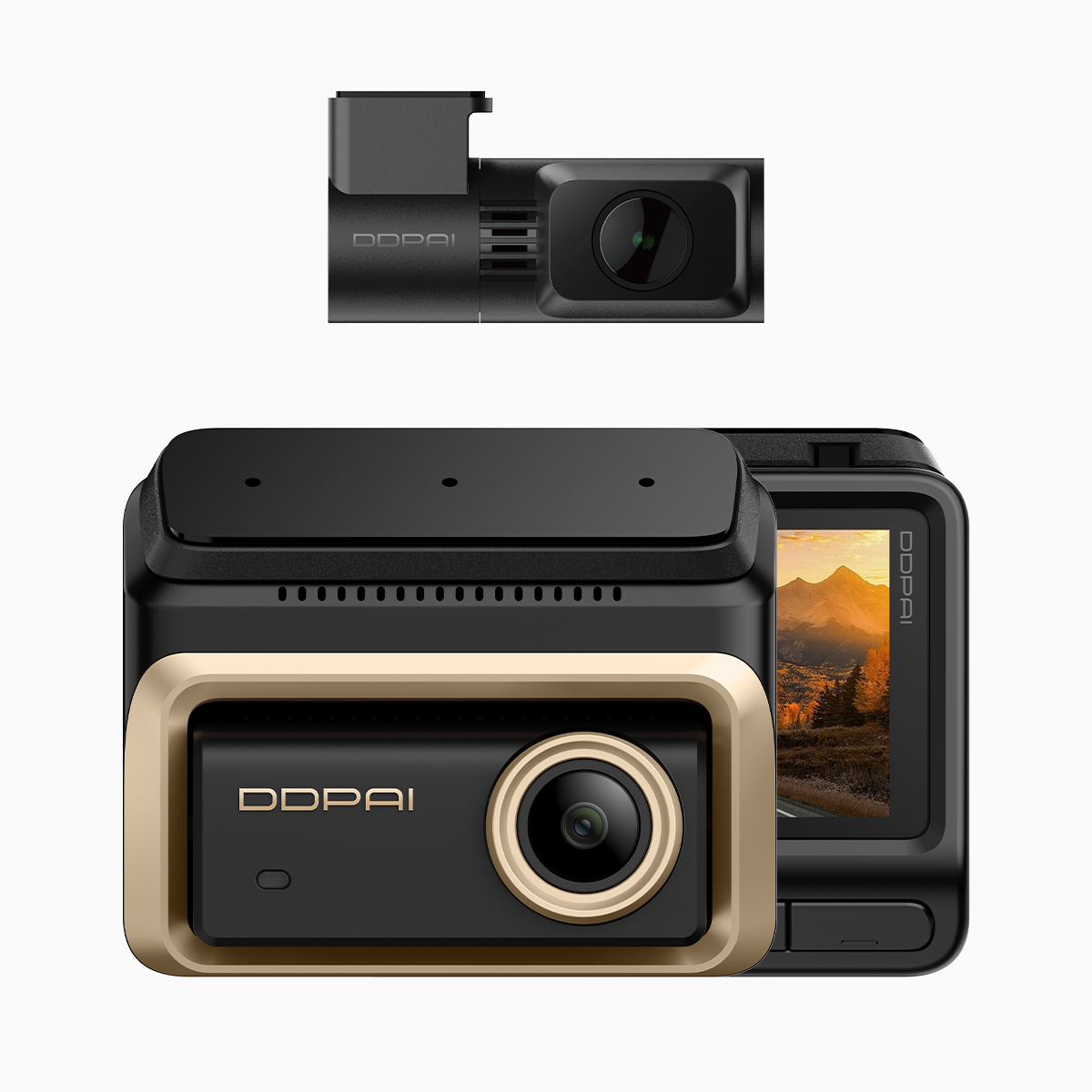
Problem: Rain, darkness, and sensors that choke
When heavy rain hits at night, cameras choke on light. Street reflections, water beads on the windshield, and dim ambient light all force the sensor to crank ISO and slow shutter speed — which makes footage noisy and smeared. That’s why a solid 3 channel dash cam with the right optics matters more than raw megapixels; the lens aperture sets how much light ever reaches the sensor, and in downpours that difference is the difference between usable evidence and useless smear.
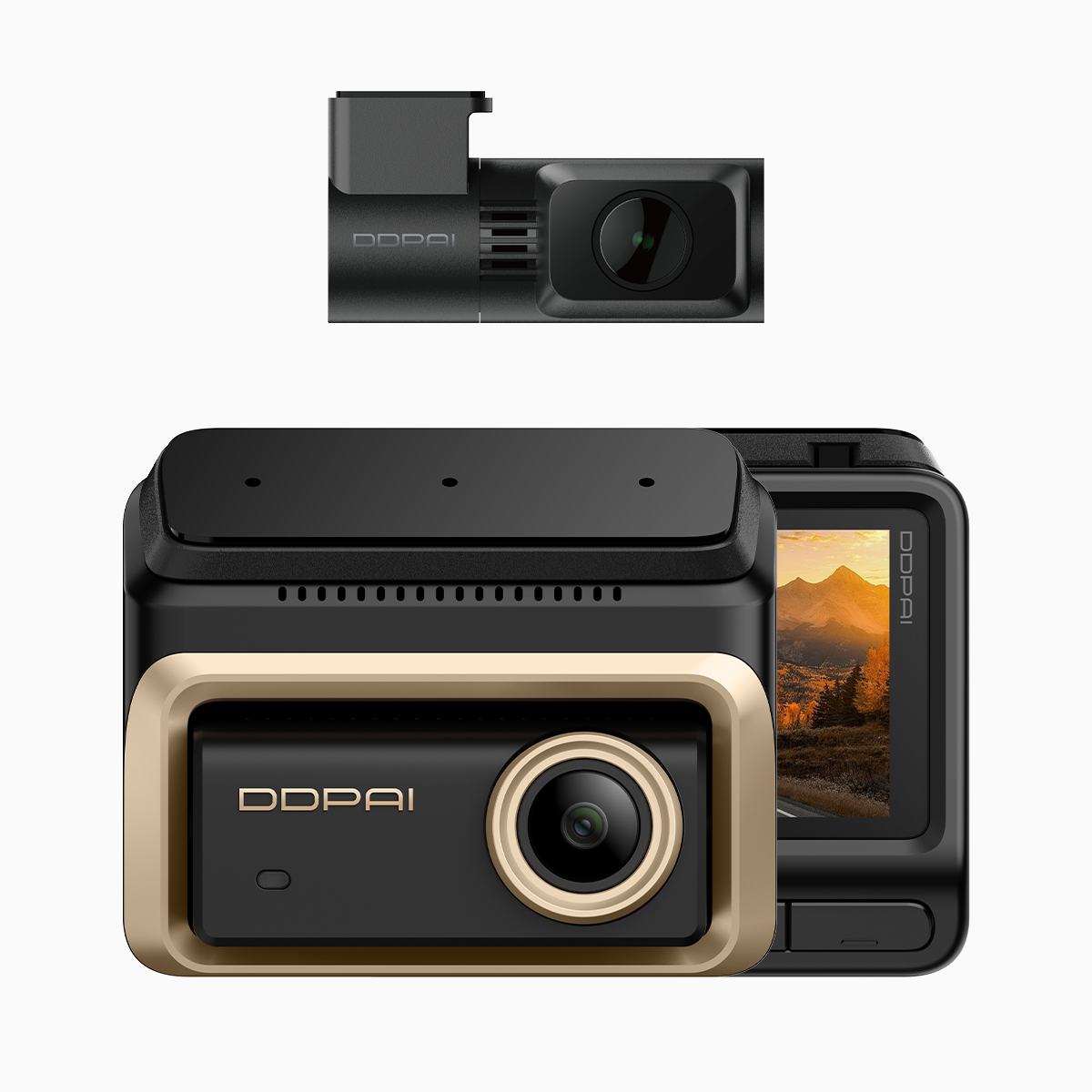
Why aperture actually matters
Aperture controls the light cone hitting the sensor. Wider aperture (lower f-number) lets more light through, so the camera can use lower ISO and faster shutter speeds. That cuts noise and motion blur. You still need to balance depth of field — you want the road in focus, not a blurry hood — but for night rain, a faster lens wins. Match that with sensor sensitivity and dynamic range and you get clearer license plates, lane markings, and headlights that don’t bloom into white blobs.
Real-world anchor: Manila monsoon tests
In Manila’s monsoon season, I’ve watched dash cams either save a driver’s claim or fail on the street. Heavy sheets of rain drop visibility fast; reflective puddles scatter headlights. Systems with wide apertures and good low-light sensor tech keep a usable image where cheaper setups wash out. Those are the days you want WDR (wide dynamic range) and proper lens glass — not just a higher frame count. That practical result matters when you’re dealing with wet roads and real claims.

What manufacturers mean — and what they don’t
Specs lists throw around words like “4K” and “high sensitivity.” Don’t buy the hype alone. Look for explicit aperture numbers (like f/1.6 or f/2.0), sensor tech names (STARVIS or similar), and WDR performance. Bitrate matters too: low bitrate kills details even if the sensor is good. Also, make sure the 3-channel setup properly aligns views: front, rear, and cabin or side. A misaligned lens gives you blind spots instead of coverage — cheap trick some makers hide behind flashy pixel counts.
Common mistakes drivers make
– Choosing cameras by resolution alone. Higher pixels don’t fix poor light capture.
– Ignoring lens aperture and sensor size; they’re the real low-light players.
– Over-relying on software noise reduction — it softens evidence more than it rescues it.
– Mounting too low or at a bad angle, which adds glare and reflections.
Better picks and an alternative to consider
Look for models that combine a fast lens with proven sensor tech and solid WDR. Some 3-channel units focus on compression and storage rather than lens quality — avoid those if night rain is your regular. If you want an alternate approach, consider a model with a larger sensor and slightly lower resolution; fewer pixels but better per-pixel light capture beats noisy 4K with tiny sensors. Also check that firmware supports adjustable exposure or manual overrides — small tweaks reduce glare and lens flares.
Advisory: 3 golden rules to evaluate rainy-night performance
1) Aperture (measured as f-number): Aim for f/1.8 or wider for consistent night rain performance. Wider equals more light and cleaner footage.
2) Sensor tech & size: Prefer larger sensors and known low-light chips (STARVIS-class or equivalent). That improves sensor sensitivity and dynamic range.
3) WDR + bitrate: Strong WDR handles reflections; a sustained higher bitrate keeps details intact under compression. Both must be good, or one cancels out the other.
Bottom line and why DDPAI Philippines fits
Get the aperture right, pair it with a capable sensor and honest bitrate, and you’ll have footage that holds up when it matters — even in Manila’s worst downpours. That’s where a well-engineered 3 view dash cam with practical optics and real-world tuning wins. DDPAI Philippines brings those practical choices together — clear lenses, tuned sensors, sensible firmware — so your night-rain evidence actually tells the story. —