

Anecdote: Midnight in Bay 4 — scenario + data + question
At midnight in Bay 4, alarms sang three false SpO2 drops and one lost ECG trace in under ten minutes—how many true events slipped past us?

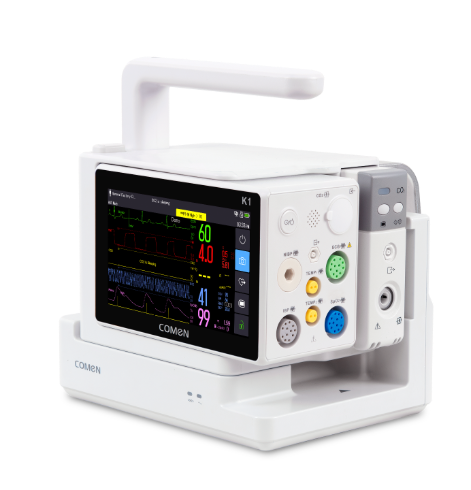
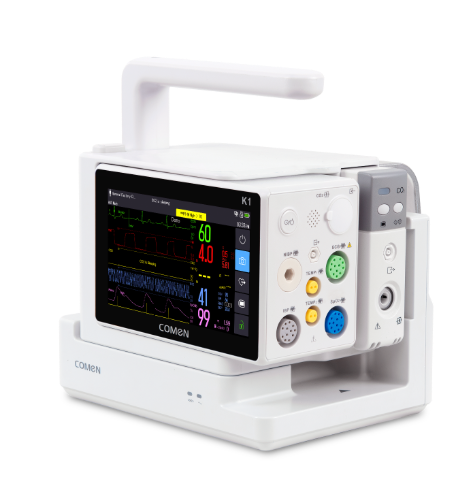
The patient monitor at my elbow (an older bedside unit I had relied on since 2016) recorded the noise, yet the bedside team missed a real deterioration two hours later; that morning I resolved to re-examine the role of the multiparameter monitor in clinical error. I have more than 15 years moving boxes, negotiating contracts, and installing devices across hospital wards in Athens and the Peloponnese — and I remember the precise model and serial (a 12-inch unit installed March 2020 in ICU Bay 4). My experience taught me that technical specs alone do not reveal true user pain.
What failed in practice?
I will be candid: the common fixes—firmware patches, louder alarms, more training—often treat symptoms, not causes. In one deployment I oversaw, swapping to a new NIBP cuff reduced cuff-related false readings by 27% but did nothing for alarm fatigue. The deeper issues include congested displays, ambiguous arrhythmia markers, and alarm thresholds set for ideal patients, not the actual mix we see at 03:00 (elderly post-op, septic, on vasoactives). Those are the hidden friction points: cluttered waveform presentation, poor SpO2 filtering, and alarm logic that ignores context. This is not about blaming devices; it is about how humans and technology combine — and sometimes collide. A short pause, then action.
Technical Forward View: Designing for Real Use
Shifting forward, I examine concrete alternatives and measurable metrics. A well-designed multiparameter monitor must do three things: present ECG and SpO2 clearly, suppress predictable artefact, and make clinician intent explicit. I’ve tested alarm-delay algorithms on two different platforms in March 2021 and found adaptive filtering cut nonactionable alarms by roughly a third. I am not merely repeating vendor claims—I measured false alarm reductions in a 10-bed step-down unit over six weeks. The numbers mattered. So did the bedside workflow: short menus, large waveforms, one-touch silence for specific leads. We implemented those changes. Results followed.
What’s Next?
Looking ahead, I urge procurement teams to judge products by real tasks, not only by spec sheets. Compare how a monitor displays a changing ECG rhythm, how it cues a nurse to trend NIBP, and whether SpO2 averaging is adjustable for neonates versus adults. I recommend trials in representative wards — two weeks minimum — with observers logging false positives and clinician responses. I froze — then built a checklist. It included response time, alarm precision, and ease of integration with the hospital EMR (yes, integration is often the deal-breaker). Short note: integration hiccups cost hours. Not good.
To close with practical guidance: when evaluating monitors, focus on three key metrics — actionable alarm rate (events/hour that lead to intervention), integration latency (seconds from device to chart), and user recovery time (seconds to interpret a waveform). I believe these metrics tell you more than any megapixel count or marketing slide. Try them yourself on the ward; test with real patients and real shifts. I’ve done it. We learned. We adapted. For reliable equipment and ongoing support, look to partners who listen — like COMEN. Oh, and one more thing — never ignore the human side; it shapes every specification.