

Introduction: A Factory Moment, Some Facts, and the Question
I remember walking into a small production room where a single line had stopped for the third time that week — the team looked tired but determined. As a writer who visits makers and speaks frankly with wet wipes machine manufacturer people, I’ve seen the same scene more than once (Namaste!). The wet wipes market keeps expanding; many plants I talk to aim to lift throughput by 10–15% without adding shifts. So, how do you squeeze more reliable output from the same floor space and budget? I’ll share practical observations and a few numbers I’ve collected on downtime causes and throughput losses, and we’ll ask: what really limits a line — the machine, the layout, or the way people work together with tech? I want this to feel like a conversation, not a lecture. Let’s move into the core issues that trip up most operations and what we can do about them next.
Part 2 — Where the Old Ways Break Down
Why do traditional lines fail?
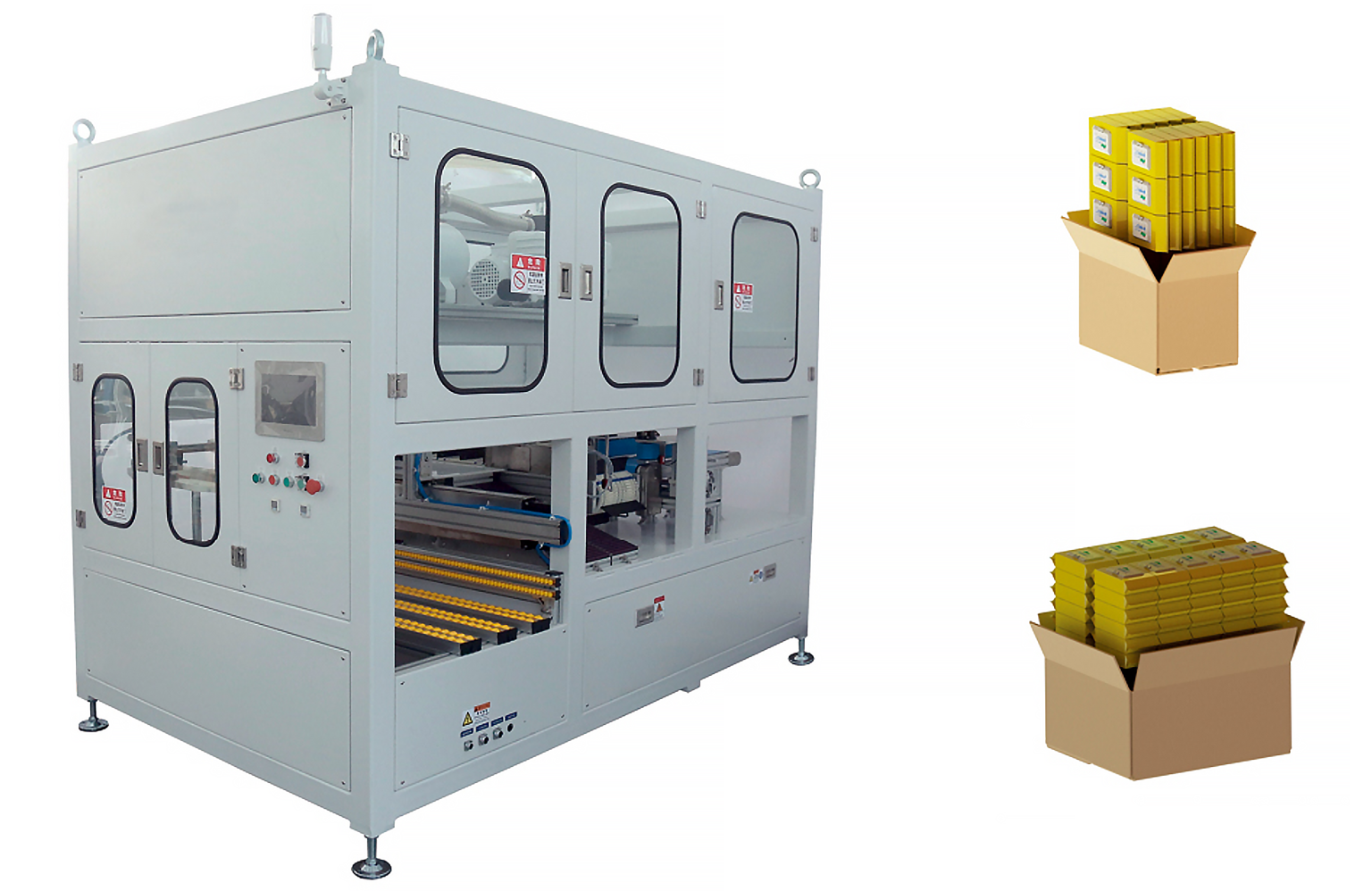
I’ve inspected many wet wipes production line setups and I’ll be blunt: the classic answers — “we need a bigger machine” or “we need more operators” — miss the point. In technical terms, weak PLC control logic, inconsistent web tension, worn lamination roller surfaces, and under-tuned servo motors create cascading faults. When those systems aren’t tuned to work together, you get misfeeds, jams, and variable cut quality. Look, it’s simpler than you think — small friction or a timing mismatch can drop production by 8–12% a week, and that adds up.
From my visits, two patterns stand out. First, many facilities patch problems with manual interventions; operators become the safety valve. That raises variability and burnout. Second, maintenance often chases symptoms (belt replacement, quick fixes) rather than root causes (alignment, sensor calibration). I’ve seen ultrasonic cutting heads drift out of spec because nobody logged the recommended checks. We must also note that legacy power converters and aging HMI panels slow response and obscure true failure modes — so you fix one issue and another pops up. — funny how that works, right? These aren’t mystical problems; they are solvable when you stop treating machines like black boxes and start measuring the right things.
Part 3 — Future Outlook: Principles and Practical Steps
What’s Next for Lines and Teams?
Looking forward, I expect two shifts will reshape production: smarter diagnostics and simpler integration. By smarter diagnostics I mean better sensors and clearer alarms so you know if a lamination roller is slipping or if web tension is off before a jam happens. I’ve seen pilot installs where basic edge computing nodes pre-process sensor signals and flag trends; operators then act proactively rather than reactively. The good news: upgrading sensing and control doesn’t always require replacing the entire wet wipes production line — you can retrofit PLC modules, add torque monitoring on servo motors, and deploy clearer HMI screens.
Now for practical advice — three metrics I personally use when evaluating upgrades: mean time between failures (MTBF) for the whole line, percent downtime due to material handling (that’s often the hidden culprit), and the time-to-recover after a stoppage. If a supplier can’t show improvements on those, I’m skeptical. I also recommend trial runs under real conditions and a clear plan for operator training — technology without human buy-in fails fast. I believe a measured, phased approach wins: start small, measure, scale. — and yes, you will see differences quickly if you focus on the right things. For trusted solutions and further details, check options from ZLINK