

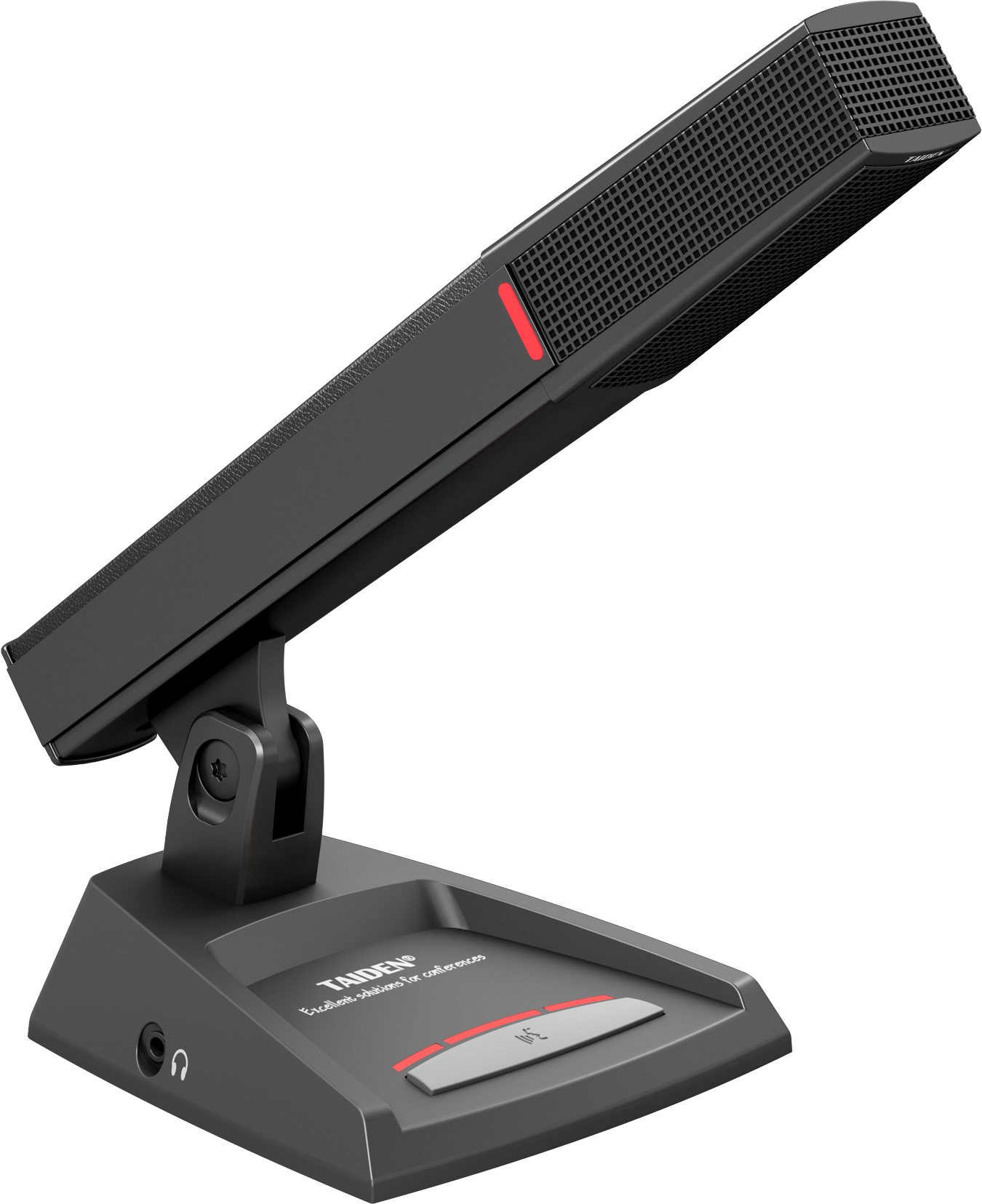
Setting the Scene: A Meeting That Sounds Better on Paper
You walk into a hybrid board meeting. The agenda is tight, the stakes are high, and the timeline is strict. Your conference room mic system was upgraded last quarter. Yet the first ten minutes vanish into garbled handoffs, clipped audio, and people asking, “Can you hear me now?” Studies show that more than half of meeting complaints trace back to audio, not video—funny how that works, right? The problem isn’t just volume. It’s signal flow, speaking order, and how the room handles turn-taking. DSP and beamforming help, but the latency budget and echo cancellation settings still decide who gets heard and when. So here’s the core question: if the tech is “good,” why does clarity still feel fragile (especially when the room is full)? Let’s unpack the real friction and chart a path toward speech that sounds natural, every time. Next up: the overlooked control point that sets the tone for the whole system.
The Chairman Unit: Where Control Is Won—or Lost
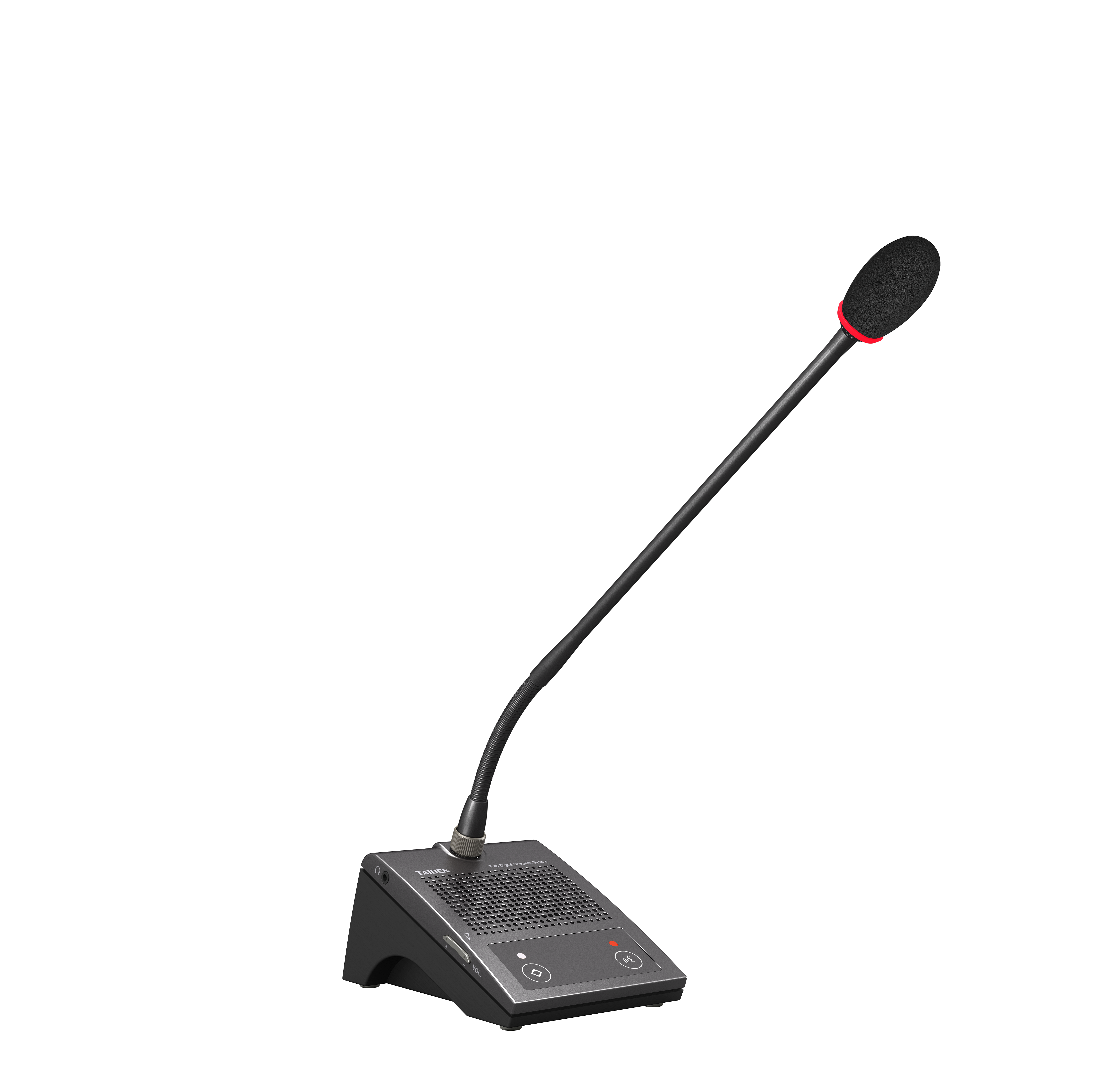
In many rooms, the chairman unit is treated like a fancy on/off switch. It is not. It is the logic engine for speaking order, overrides, and emergency priority. When users press to speak and nothing happens for a second, it is rarely a bad mic. It’s often a crowded priority bus, poor gain structure, or a DSP pipeline that waits too long to assign the floor. The result: double-talk, clipped first words, and a room that feels slow. Look, it’s simpler than you think. Map the chairman priority to a fast path in the DSP, reserve headroom for the first syllable, and test under load, not in an empty room. If you rely on PoE from a chain of power converters, you can also see brownouts that look like “random” cutouts—funny how that works, right?
Why does control fail?
Hidden pain points stack up. The chair cannot override a loud sidebar because the software only mutes “active” mics, not open noise gates. Edge computing nodes add a hop; each hop adds delay. Beamforming arrays reset when seating changes, so the chair speaks off-axis and sounds thin. Users tap twice because the first tap feels laggy, and the system interprets it as cancel. The fix is direct. Tighten the latency budget. Define a true chair override that preempts noise gates and side-channels. Pre-stage profiles for different seating plans. And train the team for three seconds—literally three—on what the light ring means. Control is clarity.

From Control to Confidence: How New Principles Shape the Next Room
What happens when the control logic gets modern? First, the chairman path becomes an event, not just a button press. Low-latency routing prioritizes the chair in the DSP graph, with predictive gating that preserves the first consonant. Second, room analytics learn who sits where and auto-tune beamforming so the chair stays on-axis regardless of seating drift. Third, device health checks the power path and flags weak PoE before a meeting. This is where high-end digital conference equipment shines: not just cleaner sound, but smarter orchestration across endpoints. You can simulate a heated debate, log the real-time signal-to-noise ratio, and verify the floor-control logic under stress—then lock it in. Small steps, big gains. And yes, those gains are measurable.
What’s Next
Forward-looking systems fuse chair priority, speech detection, and room state into one policy. Think principles, not gear lists. Minimize hops to reduce latency. Make override absolute and fast. Store chair profiles in the cloud so rotating leaders get consistent behavior. As you compare options, focus on three metrics: 1) Floor-take time—the milliseconds from button press to open mic; 2) First-phoneme capture—how often the initial syllable is preserved; 3) Immunity to sidebars—how well the system suppresses cross-talk when the chair speaks. These numbers beat buzzwords. They also scale across rooms, vendors, and networks. In short, align technology with behavior, and the room feels human again—funny how that works, right? For deeper engineering and product details, see TAIDEN.