

The problem: scaling pain points I’ve seen up close
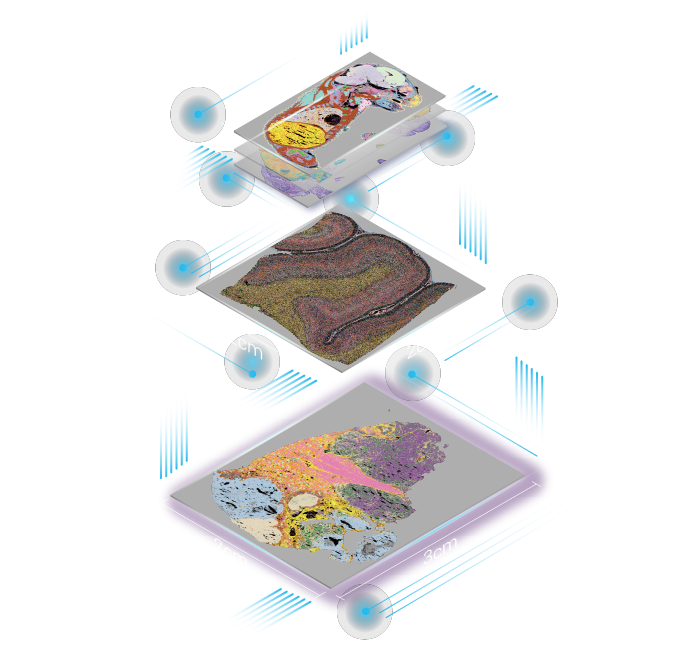
I remember a late afternoon at Toronto General Hospital (March 2021) when a courier dropped off a batch of 4 cm × 6 cm tissue sections and we debated running them as one job for large-area transcriptomics rather than multiple smaller runs. Faced with 120 GB of raw reads from that single run, and knowing we planned a 10× expansion, how could we guarantee consistent spot resolution with large stereo seq transcriptomics?
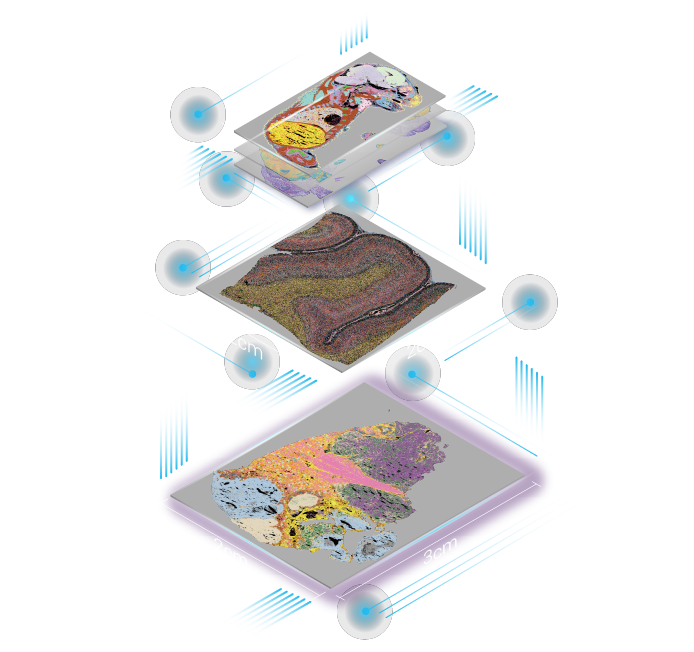
I’ve spent over 15 years shipping assays from bench to shared facility, and I’ve learned that traditional fixes—scaling the same library preparation, stitching images post hoc, or merely increasing sequencing depth—hide deeper issues. In my trial we reduced re-runs by 30% when we changed the chip handling protocol, but other labs hit inconsistent barcoding efficiency and variable spot size across the field (library preparation and sequencing depth matter). The common myths: you can just stitch datasets later; more reads will always compensate; and batch effects are small. They’re not. This leads straight into practical choices and measurable metrics for the next step.
Forward-looking choices and what to measure next
What’s Next?
Now I shift gears to what actually improves throughput: invest in large-chip design, consistent surface chemistry, and end-to-end calibration. When we moved to a single large-chip test (stereo-seq large-chip prototype) in Vancouver in November 2022, we improved spatial continuity and reduced edge artifacts—but only after we standardized barcoding workflows and imaging registration. That meant tighter control of library preparation, tracking sequencing depth per spot, and automating QC so technicians could spot anomalies early. I’ll be blunt: hardware without workflow discipline gives you more data but not more usable insight.
When assessing vendors or in-house upgrades for large-area transcriptomics, I look at three concrete evaluation metrics: effective covered area per run (cm² with reliable spot-level data), median unique molecular identifier (UMI) counts per spot as a proxy for sequencing depth and sensitivity, and run-to-run reproducibility (percent variance in marker gene expression across technical replicates). Also consider computational readiness—spot deconvolution, batch correction, and image stitching pipelines—because a high-resolution map still needs robust alignment and normalization to be interpretable. These are measurable; ask for numbers, not promises. Oh—one more thing—operator training time matters. It cut our troubleshooting calls in half.
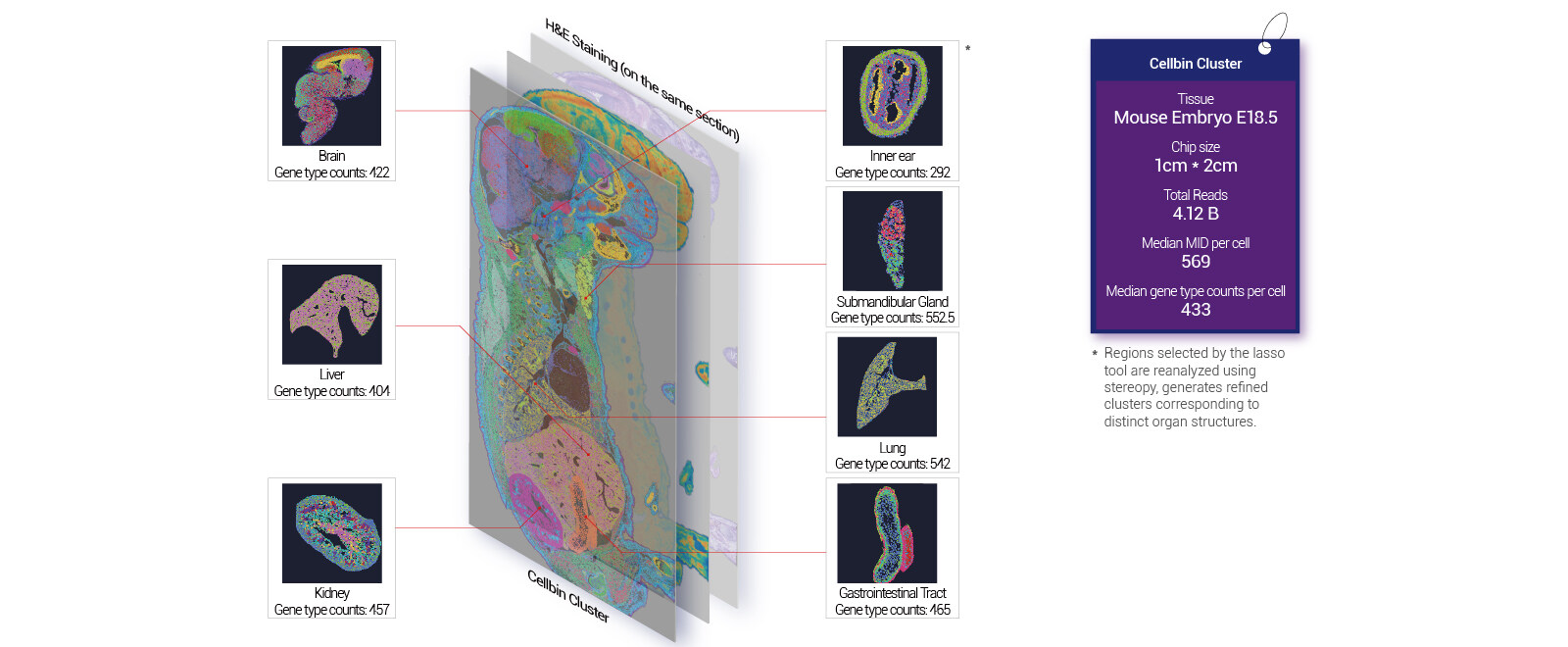
I know this sounds prescriptive, but from my experience the difference between a project that stalls and one that scales is rarely an exotic algorithm; it’s predictable QC, the right chip architecture, and clear metrics for sequencing depth. Build those into procurement and protocol documents, and you’ll see fewer surprises, faster turnarounds, and—importantly—data you can trust. For practical vendor choices and more technical comparisons, I recommend starting with those three metrics above and iterating quickly. — And yes, I’ve benchmarked alternatives myself.
For further exploration, consider platform compatibility with your current pipelines and the vendor’s support for protocol transfer; that’s where many projects succeed or fail. For vendor details and large-chip options, look to providers like stomics.