


The problem, simply put
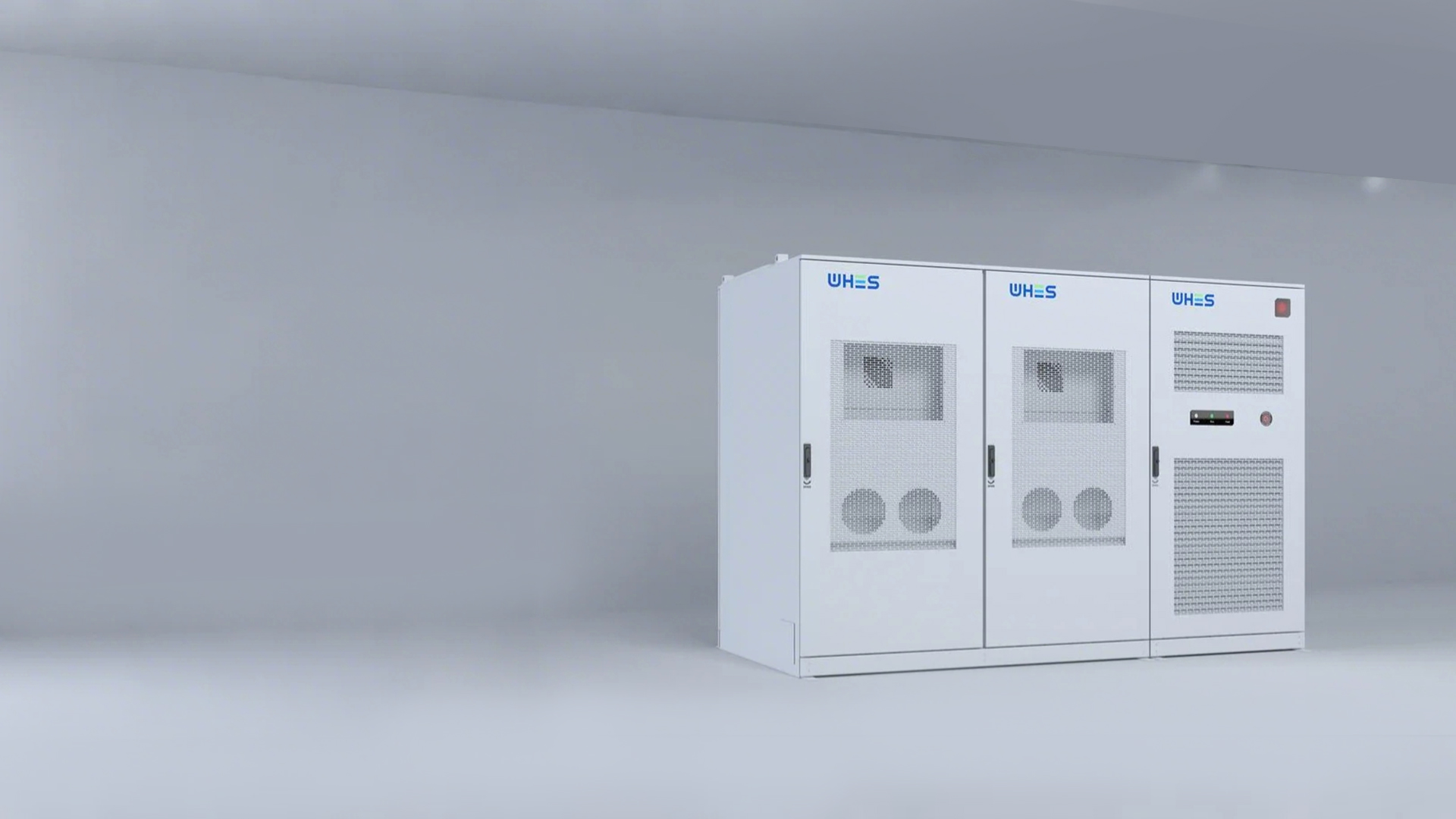
Small commercial battery systems around 50 kW sit at a delicate intersection: they must behave like dependable power plants during normal operation, but also survive and not worsen grid faults. Two technical limits often trip teams up — galvanic isolation constraints and short‑circuit ride‑through (SCRT) limits. These aren’t abstract design notes; they dictate whether an installation meets grid codes, passes commissioning, and stays safe in a fault. If you’re sizing or specifying a commercial energy storage unit for a rooftop PV plant or a microgrid, you need to understand how isolation impedance, inverter behavior, and SCRT windows interact from day one.
Why this matters in the real world
Think back to the February 2021 Texas winter event: distributed assets either helped stabilize the grid or — where poorly coordinated — complicated protection and recovery. That high‑profile stress test taught operators that battery systems must both limit fault current contribution and ride through voltage dips without disconnecting unnecessarily. Grid codes and interconnection agreements increasingly require proven SCRT performance; meanwhile, galvanic isolation (or its absence) affects safety, leakage paths, and the dynamics of fault currents at the inverter and transformer interface. In short: failure to address these constraints means failed inspections, or worse, cascading outages.
How constraints actually show up on site
Engineers typically encounter three visible symptoms: nuisance trips during temporary faults, excessive touch/leakage currents when DC and AC grounds aren’t properly managed, and mismatched fault clearing times between protection relays and inverter ride‑through logic. The inverter’s control firmware, the battery management system (BMS), and any isolation transformer together set how the system reacts in a fault. If the isolation impedance is too low, fault current contribution rises; if SCRT capability is too conservative, the inverter will disconnect during a survivable grid disturbance — compromising resilience.
Technical trade‑offs you’ll need to weigh
Designers face a handful of trade‑offs every time:
- Isolation transformer vs. high‑reliability DC coupling: transformers provide galvanic isolation and limit fault currents, but add weight and cost; DC coupling can be more efficient but demands careful grounding schemes.
- Inverter SCRT programming: longer ride‑through windows improve resilience but may increase thermal stress and require stronger cooling or different semiconductor sizing.
- Protection coordination: faster breakers reduce damage but must be harmonized with inverter anti‑islanding and BMS disconnect logic to avoid unwanted blackouts.
These choices touch thermal design, fault current calculations, and even long‑term maintenance budgets — so they’re never purely electrical decisions. —
Practical mitigations and design patterns
There are practical patterns that work repeatedly in the field:
- Specify and test SCRT profiles with the inverter vendor under realistic voltage‑dip scenarios; require firmware logs for commissioning.
- Use a coordinated protection study to size breakers, fuses, and relays so clearing times match inverter ride‑through tolerances.
- Where galvanic isolation is needed, prefer isolation transformers sized to limit fault contribution while accounting for transformer inrush.
- Implement robust BMS interlocks and fast DC breakers to isolate the battery stack during internal faults without triggering unnecessary grid disconnects.
- For hybrid projects, validate the whole hybrid string — PV inverters plus the solar energy storage system — in a combined test sequence to catch interaction issues early.
Common mistakes teams keep making
Most problems are avoidable. Three frequent mistakes: assuming vendor defaults are compliant with local SCRT requirements; skipping worst‑case fault current and leakage analyses; and treating galvanic isolation as optional rather than a design variable. Another trap is performing bench tests on a single component instead of an integrated system test — the latter exposes inverter‑BMS timing mismatches and islanding quirks that component tests won’t. Learn to ask for integrated test reports and FAT videos as part of procurement — they save painful rework later.
Three golden rules for evaluation (your advisory close)
When you evaluate designs or vendors, use these metrics as your shortlist:
- Isolation Integrity: measured leakage current and impedance under both steady‑state and fault conditions; demand quantitative test results, not just design claims.
- SCRT Performance: documented ride‑through curves showing voltage dip tolerance and maximum duration at rated load; verify inverter firmware logs during commissioning.
- Protection Coordination: an end‑to‑end protection study that aligns breaker/fuse clearing times with inverter and BMS trip logic, plus clear commissioning procedures.
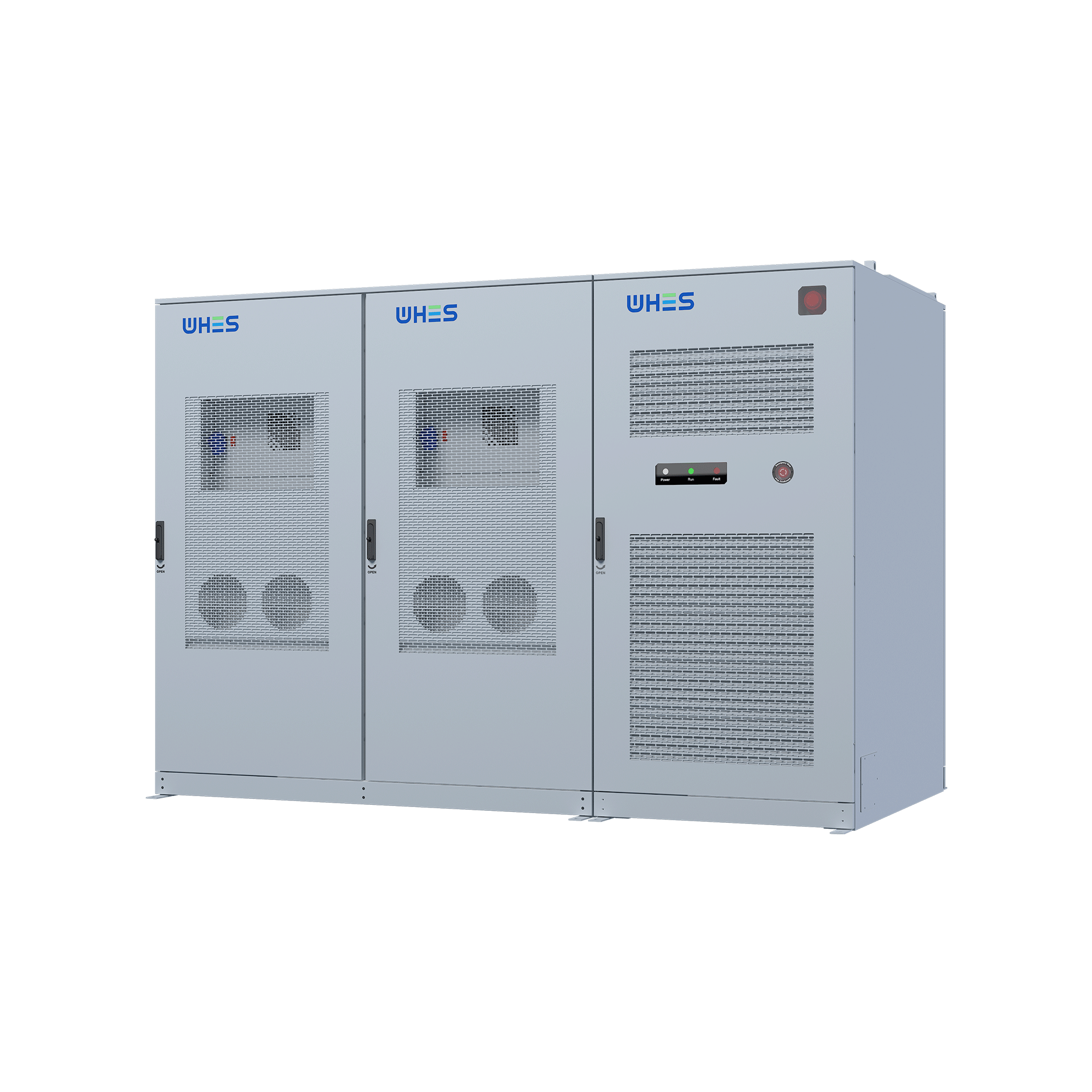
These three metrics will tell you much more than advertised power ratings or brochure graphics — they predict real operational resilience and compliance. In practice, trusted integrators who offer full system validation and tailored protection studies — rather than off‑the‑shelf modules alone — remove a lot of deployment risk. WHES.
— a short thought: resilience is engineered, not hoped for.